18.02.26
Crime prevention rarely makes headlines. Turn on the TV or scroll through the news and you’ll see dramatic stories: police crime scene tape, flashing lights, interviews, arrests. Most crime dramas start after harm has already happened. The focus is on catching the offender, solving the case, and delivering justice. It’s visible. It’s dramatic. It feels real and immediate. But what about the crimes that never happen? What about the violence that was stopped before it began?
Shifting the Focus: From Reaction to Prevention
In the UK, the CONTEST strategy, originally developed to tackle serious crime and terrorism, includes a strand called PREVENT. The idea is simple, to stop harm before it starts.
PREVENT focuses on:
- Addressing root causes
- Challenging harmful attitudes
- Spotting early warning signs
- Intervening before situations escalate
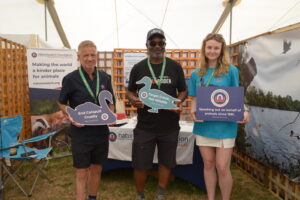
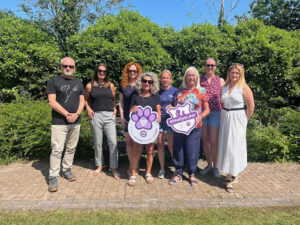
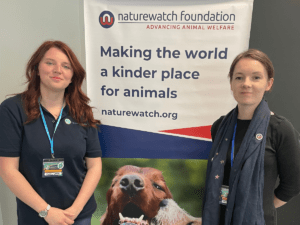
It is far better to prevent crime than to respond to it after the damage is done. Naturewatch Foundation and Refuge4Pets have combined to apply this concept to the overlaps between animal and human abuse through ‘Act to Protect.’
Protect animals. Protect people
Through the ‘Act to Protect’ campaign, Naturewatch Foundation and Refuge4Pets are working together to champion a preventative approach to cruelty. Animal cruelty does not happen in isolation. Research consistently shows links between abuse of animals and other forms of violence, including domestic abuse and community violence. When animals are harmed, it can be a warning sign of deeper issues. By preventing cruelty to animals, we are not only protecting vulnerable animals, but we are also helping to prevent wider violence in our communities.
Why Prevention Is Hard to “Sell”
Prevention work can be difficult to promote. Why? Because success is invisible.
- No crime scene
- No arrest
- No emergency press conference
- No dramatic headline
When prevention works, nothing happens. No animal is harmed. No family is traumatised. No community is shaken. That quiet success rarely makes the news, but that does not make it any less powerful.
What Does Prevention Look Like in Real Life?
- Education That Builds Respect – Teaching children and young people to respect animals, people, and the environment together. Compassion is a skill, and it can be taught.
- Youth and Community Support – Challenging cruelty early. Reducing isolation. Supporting young people who may be vulnerable or struggling before harmful behaviours develop.
- Safer Online Spaces – Addressing online content that normalises or glorifies violence towards animals. The digital world shapes attitudes, especially among young people.
- Using Research to Spot Warning Signs – Understanding the evidence linking animal abuse and wider violence. Identifying risk factors early and intervening sooner.
- Empowering Frontline Professionals – Recognising that vets, animal services and first responders to domestic abuse crime scenes are often the first to see signs of harm. With the right training and safeguarding pathways, they can act as sentinels, spotting risks early and triggering support.
Changing Culture, Not Just Responding to Crisis

If we only invest in solving crimes, we will always be reacting. We certainly won’t be reducing Violence Against Women and Girls by half, as the UK Government has stated it would like to do.
True safety comes from shifting culture, challenging harmful norms, teaching empathy, and stepping in early when warning signs appear. Preventing cruelty to animals is not a niche issue. It is part of a wider commitment to reducing violence in society. When we protect animals, we strengthen families. When we build empathy, we reduce harm. When we act early, we change futures.
We want to see a new ‘normal’, one where animal welfare was seen as part of human welfare, and not a side issue.
If we are serious about reducing violence, we must invest not only in solving crime, but in stopping it before it begins.
“The safest communities for people are those where animals are protected. Act to Protect.”