
Working with the police
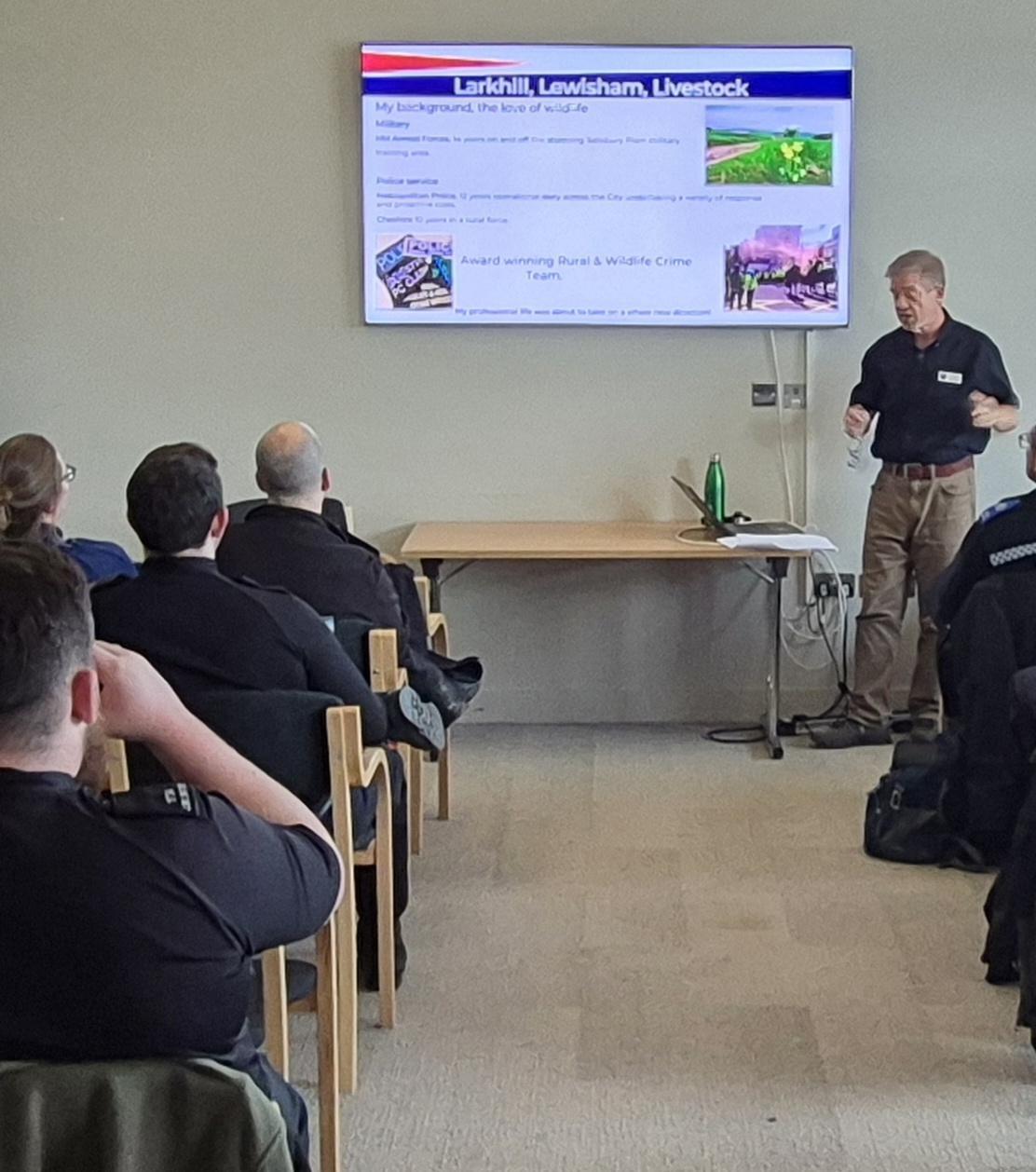
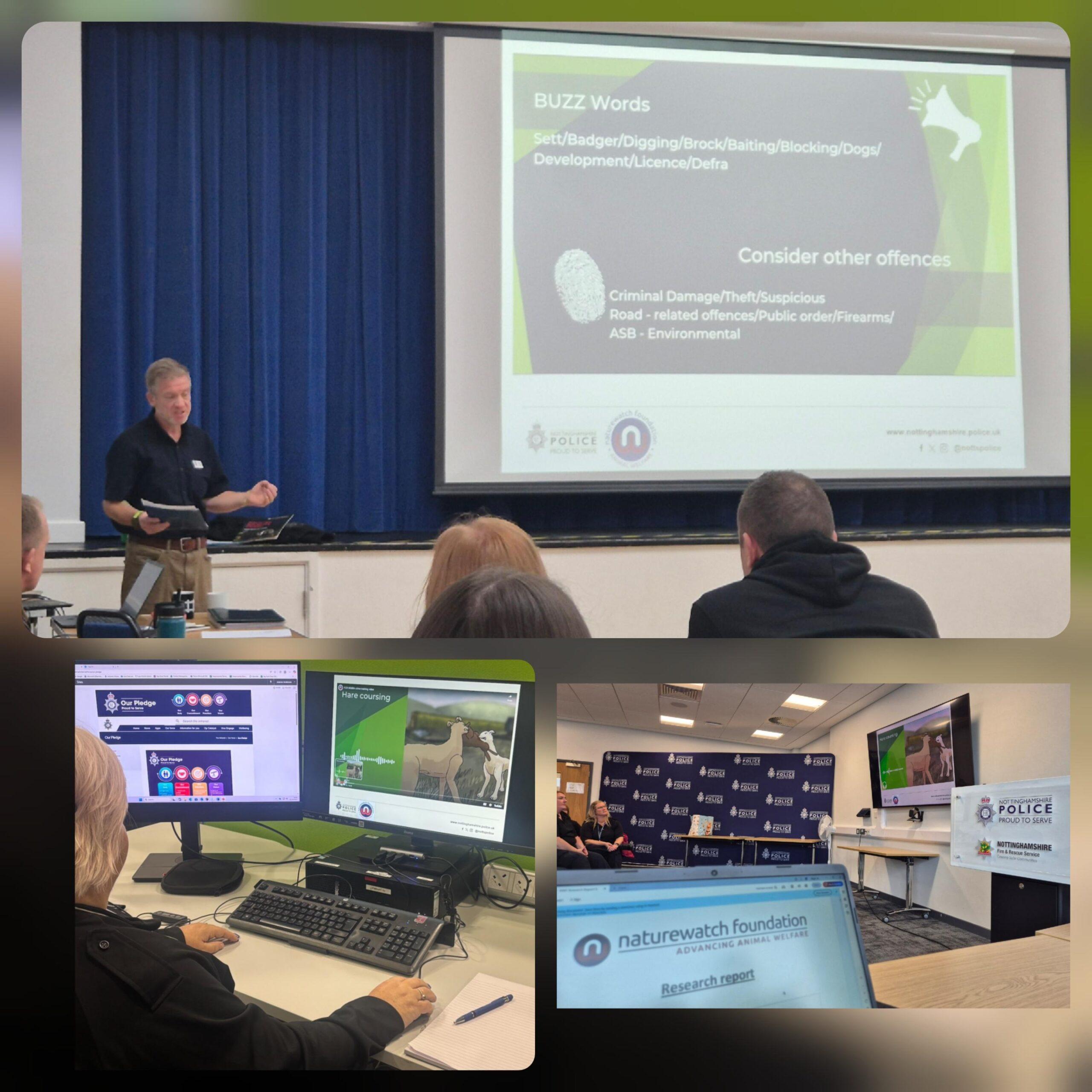
Award winning training now means over 5,500 police staff are now better equipped to tackle wildlife crime!
Making a difference: our contribution to wildlife crime training
Supporting law enforcement with their prosecutions isn’t just about investigations and evidence; it's also about supporting every officer with the training and knowledge they require to fight wildlife crime.
Why this work matters
Wildlife crime should be a priority for police in England and Wales, but busy workloads often push these cases aside. Illegal poaching, badger baiting, attacks on birds of prey, and trafficking endangered species all threaten the UK’s wildlife and natural heritage. Strong leadership and proper training are key to effective policing.
Equipping officers to take action
Wildlife crimes can be tricky to spot and even harder to investigate. They often have no clear victims or witnesses, making enforcement difficult. Training gives officers the tools they need—understanding important laws like the Wildlife and Countryside Act 1981, knowing how to handle evidence, and navigating legal processes.
Explore this section
What better training means in real life
Trained officers can investigate more confidently, raise public awareness, encourage reporting, and work closely with charities like Naturewatch Foundation. With wildlife crime increasingly linked to organised crime, informed policing is more important than ever.
How we’re helping police tackle wildlife crime
Because of these challenges, police forces often rely on organisations like Naturewatch Foundation for essential training. In April 2025, our submission to the Knowledge Bank went live, offering officers practical online resources to support their development. Thanks to our supporters, we’re able to provide this training free of charge to police forces across England and Wales.
Improving wildlife crime reporting in police control rooms - where wildlife protection begins
The right knowledge
Supporting wildlife crime prosecutions isn’t just about investigations and evidence — it starts with making sure every officer has the right knowledge from the very first call.
Real stories, real frustrations
Many of you shared your frustrations about reporting wildlife crime: calls going nowhere, details not being taken, and cases stalling at the first point of contact. Police officers felt the same — they couldn’t respond properly without accurate information from the control room.
Turning your concerns into change
Working with the RSPCA and the National Wildlife Crime Unit (NWCU), we developed training for the people who answer 101 and 999 calls. These control-room staff are the gateway to every wildlife crime investigation, yet their training in this area had gone unchanged for years.
Training that transforms every wildlife crime call
We produced an animated training package that guides learners through common wildlife crimes, what callers might be seeing, how to handle the call, and how best to deploy officers. The project was co-funded with the NWCU, and we managed it from start to finish.
Award-winning training making a real difference
In 2024, our police control room wildlife crime training won an award at the 24th annual Charity Awards in London.
We also received the “Wildlife Crime Partnership Operation of the Year” award at the 34th Wildlife & Rural Crime Conference in 2023
Since launching in August 2023, over 5,500 police staff have been trained. That’s 5,500 people now equipped to respond effectively, understand the cruelty of wildlife persecution, and actively protect vulnerable British wildlife.
Powered by your support
Your donations made this possible — and they’ve directly improved protection for wildlife across England and Wales. Thank you.


Naturewatch Foundation is a key partner to the NWCU and to Policing UK. It’s no secret that Policing is under increased pressure and scrutiny, and Naturewatch Foundation are our unsung heroes. To quantify that statement, I can refer to their ongoing support and accountability that they bring, but more recently, Naturewatch Foundation has been a critical enabler in delivering a strategic policing priority.
This has been used by forces across the UK and has made the first response to wildlife crime much better. I would like to thank Naturewatch Foundation and their members. Your support is critical in the fight against wildlife crime and the expertise that Naturewatch Foundation brings can elevate our voice.
Chief Inspector Kelly, Head of the National Wildlife Crime Unit discussing our our Force Control Room training package
Progress on the Wildlife Crime Unit
In July 2024, the Metropolitan Police Service announced that it had removed detectives from the Wildlife Crime Unit and would no longer have specific detectives investigating and fighting wildlife crime. Following this we met with them to address our and, ultimately, your concerns.
We made positive progress, and the Met assured us of their commitment to enforcing wildlife crime. They have agreed to share more about their wildlife crime work with the public and what the future plan will look like. We will keep you updated.
Read our latest news on this campaign and the Met’s response to wildlife crime in London and the illegal wildlife trade for the long term and see how perpetrators will be brought to justice.
Sharing our knowledge – stronger together
We donate annually to the Partnership for Action Against Wildlife (PAW) Forensic Analysis Fund, which helps the police to access forensic information during investigations into crime against badgers, such as DNA testing of badger hair.
Finally, to increase our influence on decision-making processes, we’re members of these key coalition groups:
As a Rural Crime Team Supervisor, it’s so important that we recognise the great work and capabilities that partner agencies can bring to policing. We have worked with Naturewatch Foundation on a number of projects which have delivered brilliant results, and I have been impressed with how professional and focused they are.
Sgt Rob Simpson – Rural Crime Team Supervisor, Cheshire Constabulary


