Animal welfare in Romania
In Romania, we want to manage the stray dog population in a more humane way and help shift attitudes so that animal cruelty simply isn’t tolerated anymore.
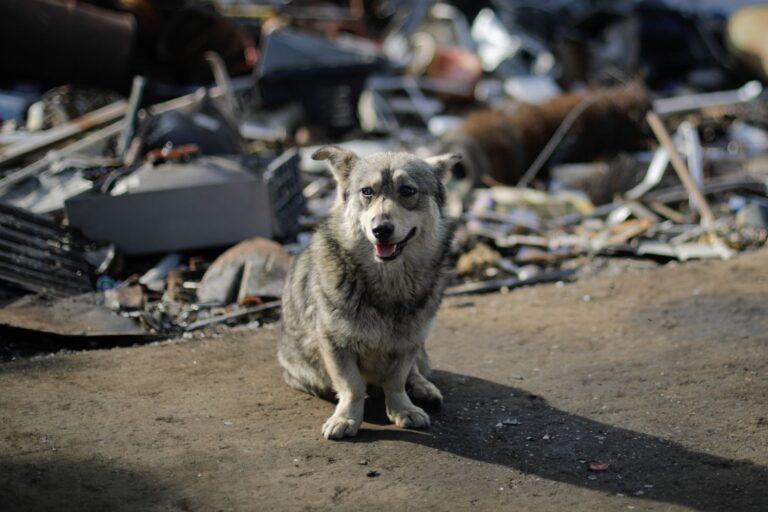
Many dogs living on the streets are completely homeless, while others are technically ‘owned’ but roam freely and unsterilised, contributing to the ongoing issue. Puppies are often abandoned shortly after birth, further overwhelming communities and shelters.
Explore this section
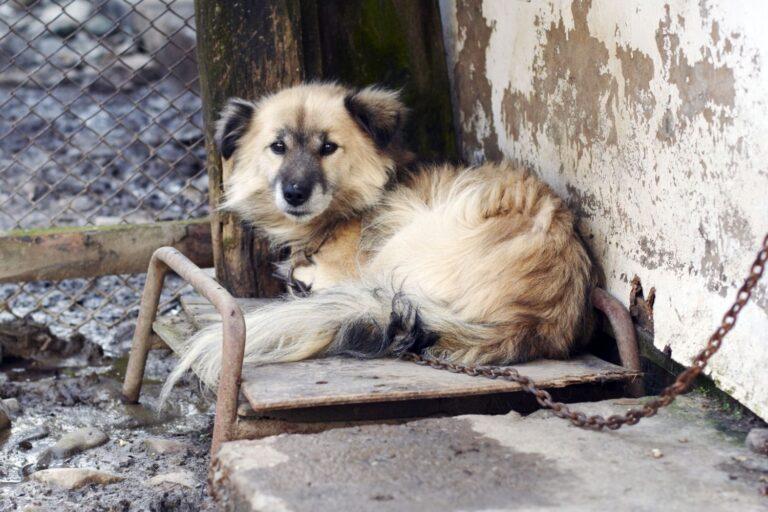
In both urban and rural areas, dogs are commonly viewed as vermin or are simply used as guard dogs. In rural Romania, it’s typical to see dogs chained outdoors year-round, receiving only minimal care. This reflects a widespread cultural disconnect from the concept of responsible pet ownership.
While animal welfare in Romania is protected by law, enforcement is inconsistent – particularly regarding stray animal management. The country’s approach to street dogs continues to raise serious ethical concerns.
Romania’s euthanasia law and its consequences
In 2013, Romania’s Constitutional Court approved the controversial Stray Dogs Euthanasia Law, which allows authorities to capture stray dogs and send them to public shelters. These shelters are often overcrowded and under-resourced. If the dogs are not adopted within 14 days, many are euthanised – frequently under conditions that fall short of basic humane standards.
Research highlights the social impact of animal cruelty in Romania. A 2016 study by Teesside University, It’s a Dog’s Life, revealed that 86.3% of Romanian teenagers had witnessed public acts of animal abuse – including poisoning, mutilation, and killing. This is not only an animal welfare issue, but a societal one: exposure to violence against animals can have lasting psychological effects on young people and contribute to a cycle of cruelty.
It is crucial to humanely control the country’s stray dog population and to change attitudes so that animal cruelty is completely unacceptable in Romanian society.
Read about what we’re doing to help animals in Eastern Europe