Tackling animal cruelty takes centre stage as the UK government publishes a bold and very welcome ‘Action Plan for Animal Welfare’ – #ActionFor Animals – which details increased planned protections for pet animals, farm animals and wild animals in the UK.
A love of and respect for animals is one of the few things which can unite politicians irrespective of political party.
‘Lucy’s Law’ introduced to help stamp down on puppy farmers is just one example.
However, it is not always straightforward.
Timing is everything
The universally welcomed new law raising prison sentences for animal cruelty in the UK (from a measly maximum of six months and now up to five years) has had multiple legislative attempts.
The increased penalties have taken years of sophisticated campaigning from many different animal welfare charities, policy makers and campaign groups.
And for that reason, we will keep pressing our MPs and elected representatives to address the new animal cruelty and welfare laws as quickly as possible, and before they are preoccupied by another important pressing issue!

A nation of animal lovers
The UK prides itself on being a nation of animal lovers and most people are horrified to learn about animal cruelty.
The wickedness of some people in their actions towards animals is heart-breaking. The link between animal cruelty and human violence, including domestic violence, is also well documented.
The UK government’s Action Plan promises to:
- Recognise that animals can feel pain and suffering through an Animal Welfare (Sentience) Bill, including the formation of the Animal Sentience Committee, so that all government departments consider the impact on the welfare of sentient animals when developing any policies.
- End the export of live animals for fattening and slaughter and examine the use of cages and crates for farmed animals.
- Bring in mandatory cat microchipping and review current pet microchipping database systems, tackle puppy smuggling by reducing the number of pets allowed to be moved under pet travel rules, increase the minimum age dogs can be imported into Great Britain, and also establish a task force to tackle dog theft. DogLost, a UK charity that helps victims of dog theft, found that the number of dogs reported as stolen in the UK rose from 172 in 2019 to 465 in 2020 – an increase of 170%.
- Introduce licensing measures for animal shelters, rescue and rehoming centres and a new system of penalty fines to those who are cruel to animals.
- Give police more power to protect sheep from out-of-control dogs as part of its Kept Animals Bill, stop people keeping primates as pets and improve standards in zoos.
- Tackle wildlife crime, crack down on illegal hare coursing, use of glue traps, investigate the use of lead ammunition, the use of snares and other acts of animal cruelty to our wildlife.
- Set a global example on animal welfare issues such as implementing a ban on advertising and sale of cruel tourist experiences involving Asian elephants, a ban on the import and export of detached shark fins, action around fur imports, ban the import of hunting trophies from endangered animals abroad and further limit the foie gras trade.
Decades of campaigning
Many of the proposals in the ‘Action Plan for Animals’ are the result of decades of campaigning.
Animal welfare transcends party politics so we hope many of the proposals will be non-contentious and pass quickly, albeit with appropriate oversight, through Parliament to become law.

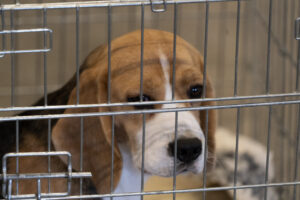
What about laboratory animals?
Despite what seems like a highly ambitious plan, there is still only a brief mention and very little hope for live animals used in animal experiments.
Over three million live animals are used in animal research procedures in the UK every year.
Naturewatch Foundation will continue to press for urgent action to reduce and replace the use of animals in research.
Animals need more than words
The government talks about global leadership.
The UK’s belief that we are a nation of animal lovers, must be more than aspiration and words.
Naturewatch Foundation will hold the government to account in delivering on the plans and helping raise the status of animals around the world.
May 2021