25.11.25
Fantastic news for animals! A Private Members Bill to end puppy and kitten smuggling (and ban imports of cruelly mutilated dogs and cats) is set to become law after clearing its final stages in Parliament.
What will the new law do?
When it receives Royal Assent, the Animal Welfare (Import of Dogs, Cats and Ferrets) Bill will give officials new powers to:
- Increase the age puppies and kittens can be imported from 15 weeks to 6 months of age
- Prohibit the import of heavily pregnant dogs and cats
- Prohibit the import of dogs and cats who have been subjected to cruel mutilations, such as ear cropping or declawing
It will also give officials powers to create criminal offences to ensure these rules can be properly enforced.
Why this matters
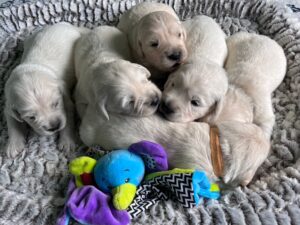
These are vital changes as many thousands of young and vulnerable puppies and kittens are brought into Britain each year from illicit breeding farms. They’re often bred and reared in poor conditions where disease is rife, before being taken from their mums far too soon and subjected to long, stressful journeys. The current legal import age is 15 weeks, but unscrupulous dealers frequently smuggle in animals who are much younger, putting their health and welfare at serious risk.
Charities such as Dogs Trust have also reported a concerning increase in heavily pregnant mums being transported long distances to give birth in Britain, where pups are then passed off to unsuspecting buyers as being bred in this country.
Unscrupulous owners of dogs with illegally cropped ears and other mutilations also often claim their dog was imported from countries where it is still legal. The new law would finally close this loophole, helping to consign ear cropping to the history books once and for all.
We urge ministers to make full use of these powers as quickly as possible once the Bill becomes law.
Looking ahead: Preventing a domestic puppy farming boom
Ending puppy smuggling is a huge victory, but the work doesn’t stop there. Domestic breeding will inevitably increase to fill the gap, and we must ensure it’s done responsibly by people who care about dogs’ health and welfare. We cannot allow unscrupulous UK puppy farmers and backyard breeders, motivated only by profit, to exploit this change for their own advantage.
At Naturewatch Foundation, our companion animal work mainly focuses on the domestic dog and cat trade. We’ll be working hard to ensure irresponsible UK breeders cannot use this positive change to their advantage. Since 2014, Naturewatch Foundation has been campaigning and undertaking investigations to stop the smuggling of puppies for profit so we know that with perseverance and in depth work we can get real change for dog welfare.
Earlier this year, we revealed that just 1 in 5 UK puppies are bred by people who are licensed and inspected by local authorities. This means around 80% of dogs come from unknown sources, including unlicensed breeders who don’t meet the threshold for a licence, illegal breeders and puppy smugglers.
With the vast majority of dogs being bred and reared by unknown people to entirely unknown standards, each UK government must act now to ensure its breeding regulations and enforcement mechanisms can truly protect dogs. We’ve been campaigning across the UK for changes, and we keenly await details of Defra’s animal welfare strategy and how the government will deliver its manifesto commitment to end puppy farming.
Visit our companion animal pages to find out more about our work to end low-welfare and illegal breeding.
Visit our Dog Breeding Map of the UK & Ireland to find out about licensed dog breeding near you.
Report your concerns about illegal dog breeding and pet selling to our Hotline4Pets.