24/04/25
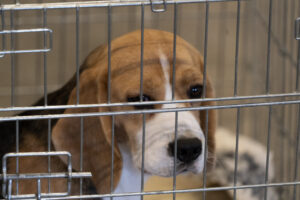
An unknown number of sentient animals, potentially in the hundreds of thousands, are invisible to the public, despite being bred for science. These are the Forgotten Lives.
2017 marks the last – and only – time that the UK publicly reported in their annual statistics the number of animals who were used for science overall, an astounding 5.53 million animals. This figure includes the 1.81 million animals who were ‘bred and not used’ for any scientific procedures, accounting for nearly 33% of the total number of animals used in science overall in 2017.
However, since then, the UK Government has chosen not to record or report the number of animals who are ‘bred and not used’ – so called ‘additional data’. This also means the UK has fallen behind the EU, which publishes these figures every 5 years, with some countries, such as Germany, going even further and publishing this data annually.
Take action for the Forgotten Lives
Animal lives hidden from public view
Many different species were reported in 2017 as being ‘Bred and not used’ in Britain.
These notably included 97 Dogs, 143 Primates, 5,927 Rabbits, 1,524 Hamsters, 1,648 Ferrets, 3,557 Guinea pigs, 16,638 Birds, 199,493 Rats and 1,455,366 Mice.
Why were these animals bred but not used for procedures?
1) They were used as breeding animals but not used for a scientific procedure.
2) They were used solely to provide tissue rather than used for a procedure.
3) They were the incorrect gender for a specific research project.
4) They were surplus supply to demand- bred to ensure ‘sufficient’ supply for experiments.
5) They died before they were used for a procedure.
How many animals used in science are hidden from public view in Britain and the EU?
EU: In 2022, the most recent year ‘additional data’ was reported, 9,237,542 animals were used for procedures but a further 9,572,759 animals were ‘bred and not used’ in the EU (including Norway but not UK). That equates to a shocking 18,810,301 animals who were used in science overall that year.
UK: In 2022, 2,685,610 animals were used for the first time in animal research procedures in the UK…
But the important question is, how many more animal lives were undisclosed and unreported in the annual statistics? The Forgotten Lives in animal laboratories in Britain.
Take action for the Forgotten Lives
A call for transparency for animals in laboratories
Recording and reporting the number of animals who are’ bred and not used’ in the EU has helped to improve transparency in animal experimentation (EU report, 2017). Without a commitment to openness and transparency about the true extent of animal numbers used in science, it will be impossible to move towards the ultimate goal of replacing animals with Non-Animal Method (NAMS).
Increasing transparency in animal experimentation, in general, will also help raise public awareness further on the use and loss of animal life in the name of scientific research (Merkes and Buttrose).
The time for openness
Today, Naturewatch Foundation launches a new campaign on ‘World Day for Animals in Laboratories’ (WDAIL), to highlight these forgotten lives, the potentially hundreds of thousands of animals who are undisclosed in UK Government figures; those ‘bred and not used’ for scientific procedures.
How you can help
The Government has promised to partner with scientists, industry, and civil society as they work towards the phasing out of animal testing. How can animal testing be phased out if we don’t even know how many animals are used in science?
This World Day for Animals in Laboratories, please join us in urging the Home Office to start recording and reporting on the number of animals bred and not used in British laboratories – send an email to your MP today.
Only then can the true extent of science’s reliance on animal life be revealed — and efforts to reduce and ultimately replace the use of animals in science fully include the Forgotten Lives as well.
Find out more about our Forgotten Lives campaign here.