The 150 year journey to animal-free science
Marking 150 years of science and advocacy, our interview series explores the key legislation, historic breakthroughs, and modern innovations paving the way toward an animal-free future.
The 150 year - journey to animal-free science
Marking 150 years of science and advocacy, our interview series explores the key legislation, historic breakthroughs, and modern innovations paving the way toward an animal-free future.
On the 150th anniversary of the Cruelty to Animals Act 1876, The Interview Trail traces the history of legislation and advocacy for animals used in science. This trail follows the progress made since this Act through to where animal testing stands today. It explores how methods to replace animals can pave the way to a future without animal-testing.
From October 26th, watch our series of interviews with voices across the fields of science, advocacy, law and ethical consumerism. New videos will be released daily. Voices for Silent Lives: The Interview Trail looks at the following key phases that have impacted animal experimentation over the past 150 years:
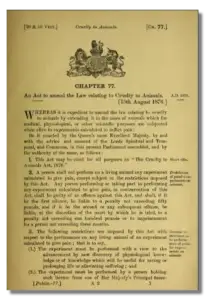
Introduction: The Cruelty to Animals Act 1876
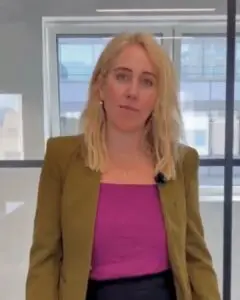
With Naturewatch Foundation’s Eve Bourke, laying down the foundations of the Cruelty to Animals Act 1876 and what it meant for animals in science.
Setting the scene
The Cruelty to Animals Act 1876 was the UK’s first law to regulate animal experiments and was seen as a landmark moment for the animal advocacy movement, bringing the ethics of animal experimentation into the spotlight for the public and helping to shape the political debates that would follow.
The 60s and the beginnings of animal-free science
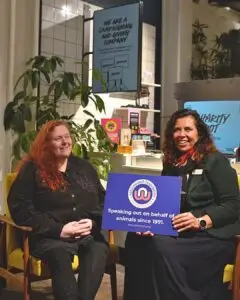
With Alison Giles, CEO of The Humane Research Trust. Alison gives her views on the impact introducing non-animal replacement methods had, the changes she would like to see in the next decade and her vision for the future of animal replacement science.
Setting the scene
In 1959, scientists William Russell and Rex Burch introduced the 3Rs: Replacement, Reduction and Refinement, helping to shape growing interest in alternatives to animal experiments. The 1960s saw the emergence of organisations dedicated to advancing non-animal research methods.
Click here for more information about The Humane Research Trust.
1986 and a new law for animals in labs
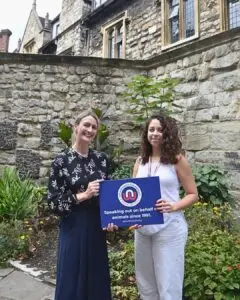
With Edie Bowles, Managing Director for Advocates for Animals. Edie explains how the legal system treats animals in science differently to other animals and how the law could be developed to reduce and replace the use of animals in science.
Setting the scene
More than 100 years after the Cruelty to Animals Act 1876, the Animals (Scientific Procedures) Act 1986 (ASPA) established a new framework to regulate animal experiments. ASPA introduced a three-tier licensing system requiring the use of personal, project and establishment licences. Later amendments incorporated the 3Rs concept (Replacement, Reduction and Refinement) into law, while today’s policy focus is increasingly on replacing animals in science with non-animal methods.
Setting the scene
In 1998, the UK became the first country worldwide to announce a policy ban on animal testing for cosmetic products and ingredients intended primarily for cosmetic use. This followed years of campaigning and growing public concern about the use of animals to test cosmetics. The ban was a significant milestone in the move away from animal testing.
2025 and a new strategy for animals in science
With Irene Campbell, Labour MP for North Ayrshire and Arran, giving her perspective on whether the UK is moving away from animal testing fast enough and the next steps she would like to see to help replace animals in science.
Setting the scene
In November 2025, the government released a ‘Replacing Animals in Science Strategy’ with a long-term aim of phasing out the use of animals in science (except in exceptional circumstances). The strategy commits to the development, validation and uptake of alternatives to animal use.
2026 and beyond: shaping a future without animal testing
With Dr Minerva Bosch Fortea, Humane Research Fellow at The Humane Research Trust. Dr Bosch Fortea gives her views on the impact she foresees non-animal models having on the future of replacing animals in scientific research and the change she would most like to see in the next ten years.
Setting the scene
With the latest statistics showing that 2.54 million regulated scientific procedures were carried out on animals in Great Britain in 2025, animals continue to be used extensively in research, highlighting the importance of accelerating the development, validation and uptake of non-animal methods to achieve a future of animal-free science.
With thanks to all our interviewees for their participation in Voices for Silent Lives: The Interview Trail