Spaying and neutering

We tackle the root causes of animal suffering in Eastern Europe by sterilising both strays AND free-roaming pets from low-income families, preventing litters destined for homelessness.

Uncontrolled breeding is one of the leading causes of suffering for stray animals in Eastern Europe.

Without affordable or free spay neuter services, cats and dogs reproduce unchecked – resulting in abandoned litters, overpopulation, the spread of disease, and often, inhumane treatment. Municipal shelters become overwhelmed, local resources are stretched thin, and communities struggle to cope.

Helping pets, preventing strays

We had already been working to improve animal welfare in Ukraine for many years when, in 2013, we launched our first spay-neuter programme in Kharkiv, offering free sterilisation for dogs from low-income families. At the time, local laws prohibited free-roaming dogs, and many pets were abandoned due to a lack of affordable care.

Our programme soon expanded to include homeless, rescued and fostered animals, and by working closely with local vets and volunteers, we helped control the stray population – laying the foundation for long-term, humane stray animal management in the region.

In 2024, we extended our efforts into Moldova and Romania, confident that our work there will create meaningful and lasting change.

Ukraine

Preventing a stray crisis in wartime Ukraine

When the war broke out in 2022, Kharkiv and the surrounding areas faced devastation. Families were forced to flee, often leaving pets behind, and the risk of a stray animal population explosion was immediate.

Without our ongoing spay-neuter programme in Ukraine, years of hard-won progress could have been lost.

As soon as we were able to, we resumed our sterilisation efforts to prevent a crisis. We had already been working with our trusted partner, Victoria Kruchyna, and her NGO, Promin Myloserdya. Together, we expanded our efforts to frontline towns such as Kupyansk – where, despite the constant danger, our programme ensured that every stray dog and cat, and many ‘owned’ pets were sterilised.
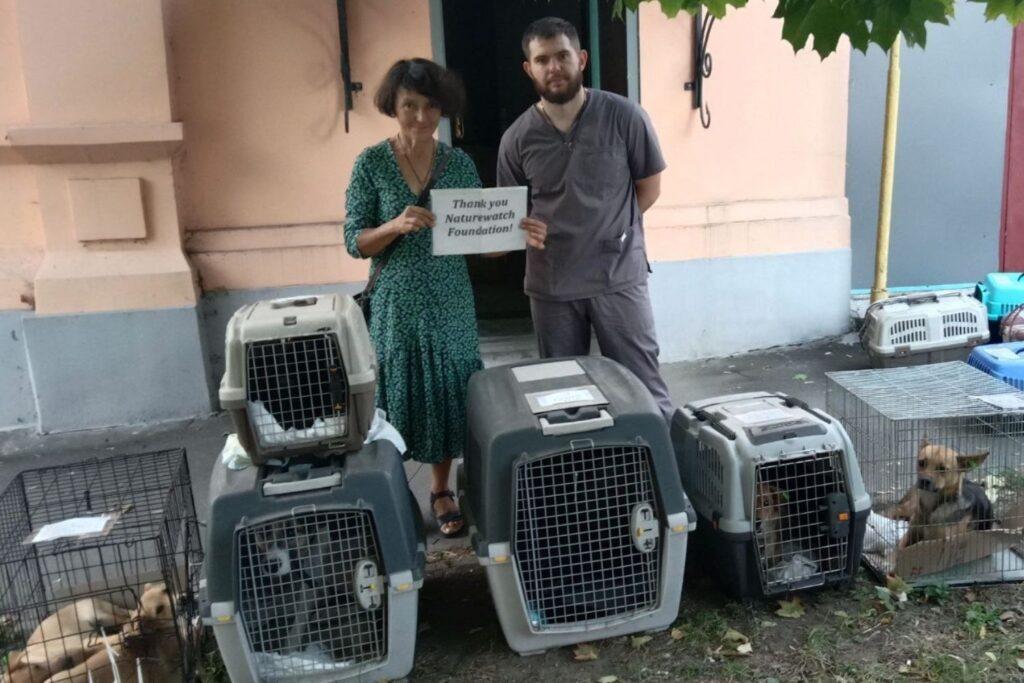
A woman and a man, who’s wearing veterinary scrubs, stand by several pet carriers, holding a sign that reads "Thank you Naturewatch Foundation!" in an outdoor setting.

Sadly, Victoria was forced to move to Kharkiv when Kupyansk was almost destroyed. Today, she continues to rescue dogs and cats from war zones, transporting them to Kharkiv for treatment and rehoming. They all receive care, sterilisation, and the chance of a better life – showing how targeted stray animal management can improve animal welfare even in the most challenging conditions.

Read more about how we first responded to the war in Ukraine.

This spay and neuter project is vital for the animals in the region, as a lot of pet owners live well below the poverty line and cannot afford the cost of spaying or neutering. Thanks to the funding from Naturewatch Foundation, many street cats and dogs that would have previously been ignored have now found loving homes in the community. By dealing with the source of the stray problem directly, we have seen a notable decrease in the population of homeless animals. However, we need to continue this project for some time yet to ensure the end result is sustainable.

Moldova

As in many countries, there are significant income gaps in Moldova. While Chișinău is the most economically prosperous city, many people across the country live in poverty. Sterilising dogs and cats isn’t seen as a priority, leading to huge numbers of strays in cities, towns, and villages.

With sparse resources, limited awareness, and weak local initiatives, conditions for stray animals remain tough. Sadly, even many ‘owned’ animals don’t fare much better – often kept chained outside as guard dogs and left neglected.

For animal welfare groups, the road forward is anything but simple. Progress is often slowed by bureaucracy, resistance to change is common, and finding committed veterinarians (crucial for any sterilisation effort) can be a real challenge. Even among volunteers, there are questions and debates about the best path to take.

Applying proven strategies from Ukraine

Naturewatch Foundation has extensive experience in tackling stray animal population issues through our successful projects in Ukraine. Since many of the challenges in Moldova are similar, we’re able to adapt our proven methods, educational materials, and training resources to help meet the needs of stray animals there.

In 2024, we travelled to Bălți, Moldova’s second-largest city, to meet local animal welfare advocates who are dedicated to improving conditions for both stray and ‘owned’ pets. This partnership is the start of long-term, humane solutions that will make a real difference for animals across the country.
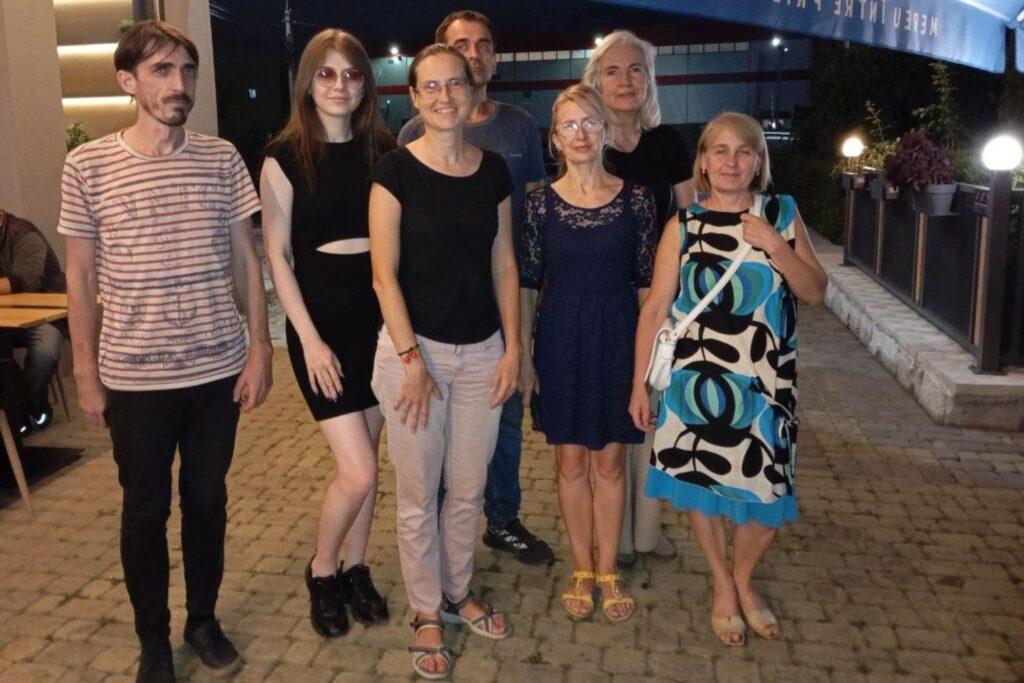
A group of six men and women stands together outdoors at night, enjoying a social gathering with casual attire and smiles.

Our stray animal management initiatives

Following on from our visit, we are launching targeted projects to improve animal welfare and reduce the number of stray dogs and cats through:

  • Veterinary training programmes teaching efficient, gentle, and humane sterilisation techniques for dogs and cats.
    This will be one of our more challenging future projects, due to widespread hesitation from many of those involved – municipalities, veterinarians, pet ‘owners’ and even some volunteers.
  • Large-scale spay-neuter and microchipping campaigns to help stray animals, rescue shelters, foster carers, and low-income households.
    Our first sterilisation event took place in September 2025, when two skilled Romanian veterinarians and their assistants visited Bălți to conduct a mass spay-neuter event.

    Co-funded by Naturewatch Foundation and the city’s municipal shelter, where our partner Karl Luganov (co-head of Humane Society Moldova) serves as voluntary Chair, the three-day event sterilised 150 dogs, including pets, foster animals, and those captured by the shelter.

    Surgeries were carried out to high standards, with only small incisions. Students from Bratushan Veterinary College were invited to observe, hopefully inspiring future advocates for sterilisation programmes.

Romania

While our spay-neuter projects currently focus mainly on animals in Ukraine and Moldova, we haven’t forgotten Romania and continue to work with partners there.

As in Moldova, views on sterilisation can be complicated, shaped by different economic and cultural factors. But unlike Moldova, many Romanian vets actively support spay-neuter programmes and humane ways of managing stray animals. In fact, some Romanian vets travelled to Moldova to share their skills and expertise at our 2025 mass spay-neuter event (above).

Alongside our projects in Ukraine and Moldova, we will continue to back animal welfare groups in Romania with the equipment and resources they need.

A holistic approach to animal welfare

Beyond sterilisation campaigns in Eastern Europe, our work focuses on:

  • Caring for dogs and cats – promoting microchipping and registration, and supporting animal welfare groups with crucial resources.
  • Training and education programmes – encouraging responsible pet ownership and the humane treatment of animals with tailored projects for diverse groups in local communities.

How you can help

There are lots of ways to help with our work, from making a donation through to holding fundraising events or even getting involved as a volunteer. Below, you can explore the different ways to help us continue raising standards for animals.

0
    0
    Your Cart
    Your cart is emptyReturn to Shop