Caring for dogs and cats

We’re working to improve the lives of cats and dogs in Eastern Europe by pushing for better laws, helping shelters, educating communities, and finding long-term solutions to protect animals.

In Ukraine, Moldova, and Romania, cats and dogs have often been treated more like working animals than companions, leaving many neglected.

Throughout our time in Ukraine, we’ve helped draft national animal protection laws and supported shelters with food, equipment, and training. We have also worked with government officials, provided humane education for police, teachers and communities, and improved municipal shelter practices in cities including Kharkiv, Lutsk, Melitopol, and Lviv.

In 2024, we expanded our work into Moldova and Romania – two countries where we know we can make a long-term impact.

Bringing lasting change for cats and dogs in Eastern Europe

As well as creating long-term, sustainable solutions for humane stray animal management, we want to make life better for Eastern Europe’s cats and dogs by:

Supporting…

…supporting local shelters and NGOs with vital resources, expertise, and welfare projects

Improving…

…improving identification and registration systems

Promoting…

…promoting responsible pet ownership to reduce abandonment

Vaccinating…

…vaccinating to reduce the spread of disease among stray and ‘owned’ animals

Together, we’re building a kinder future for animals across Eastern Europe.

Ukraine

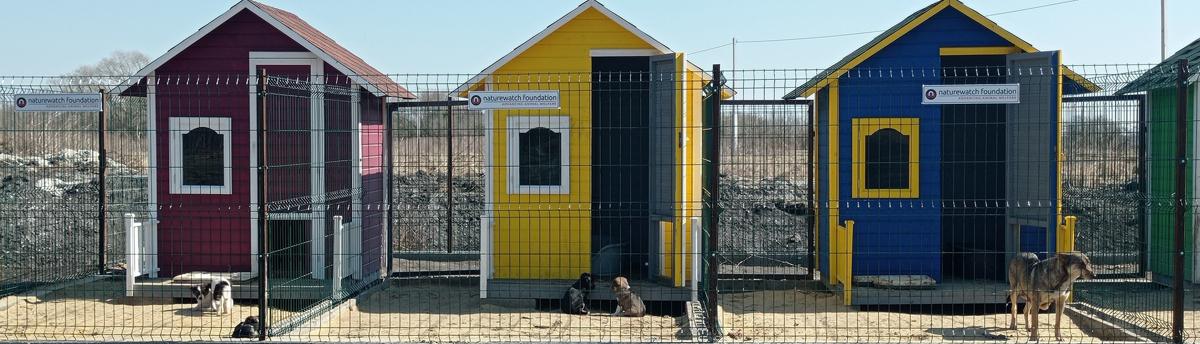
Three brightly colored dog shelters in red, yellow, and blue sit within separate enclosures, with mixed-breed dogs lounging outside on a sunny day. Signs fixed to the fencing features the logo ‘Naturewatch Foundation – Advancing Animal Welfare’.

Transforming the Step animal shelter in Brody

In the small city of Brody, western Ukraine, the Step animal shelter, run by Oksana Chorniy and her team, has become a lifeline for animals caught up in the war.

Since 2022, abandoned and injured dogs have been arriving in heartbreaking numbers. Some are brought from combat zones by soldiers who couldn’t bear to leave them behind.

Others are strays, victims of abuse, or pets left alone when families fled. The shelter also cares for cats, goats, horses, and birds.
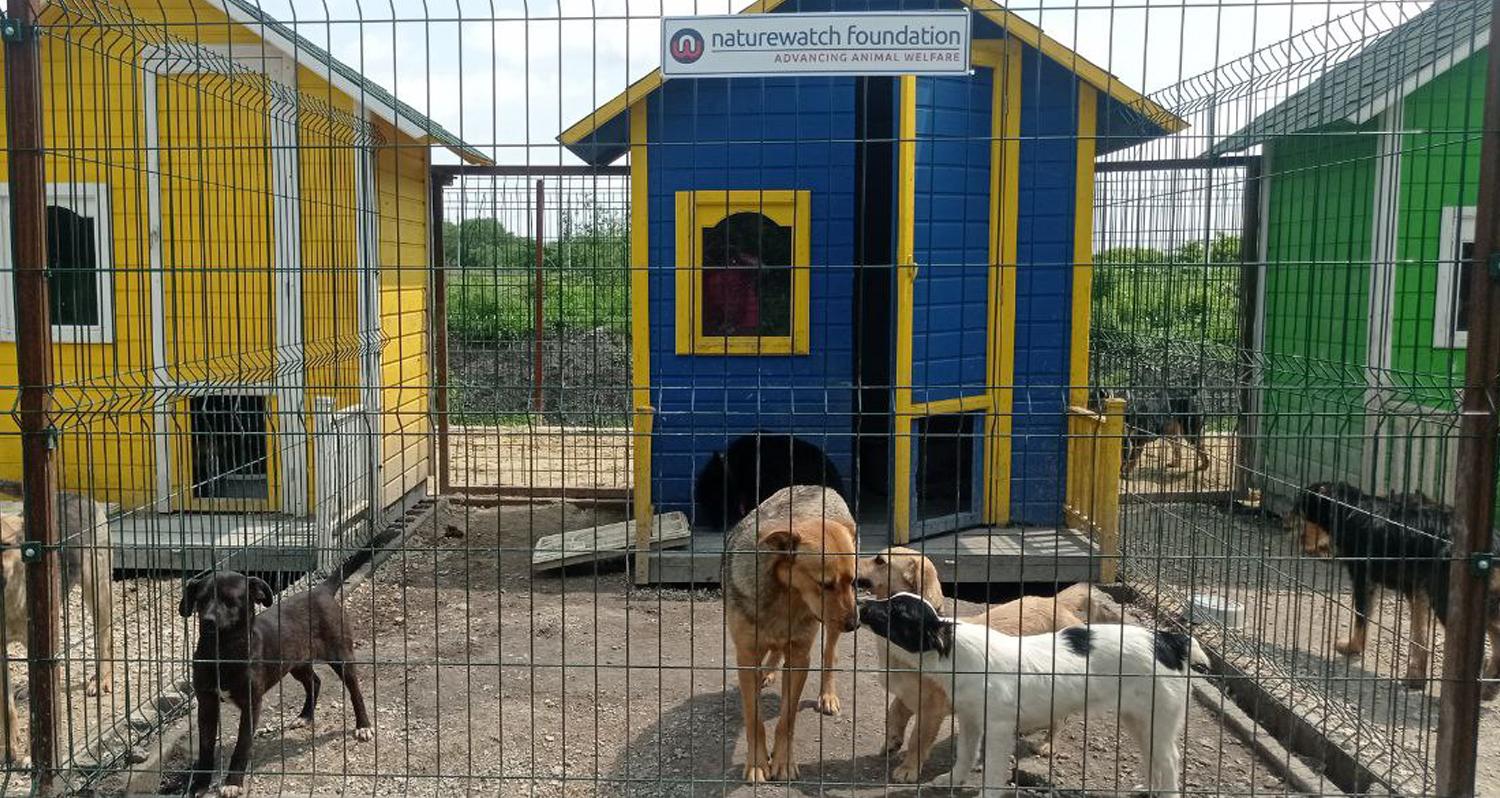
A mother dog nuzzles two of her puppies in front of a brightly coloured blue and yellow doghouse, which sits in an enclosure surrounded by a mesh fence. A third pup looks through the fence. A logo sign on the fence reads "Naturewatch Foundation – Advancing Animal Welfare".

Once confined to cramped indoor spaces, mothers and their puppies at Step now have warm, dedicated shelters – like this mum with her litter, resting safely in their new home.

Today, over 190 dogs depend entirely on Step for survival.

For years, the shelter battled Ukraine’s bitter winters with only small, dilapidated kennels or old sheds for shelter.

The most vulnerable (those recovering from surgery, living with disabilities, or caring for newborn pups) were crowded into limited indoor spaces.

When we asked our supporters to help us build three new, insulated doghouses for Step, their response was overwhelming.

Instead of just three, we raised enough funds to create 16 warm, weatherproof kennels that form Naturewatch Street– a safe, purpose-built sanctuary where dogs can heal while they wait for their forever homes.

Thirteen doghouses have been completed – and they’ve already made a difference. One has housed mothers and their puppies, giving them the shelter and comfort they need.

Another has been used as a dedicated recovery unit for dogs healing from injuries or illness – a space that’s crucial for their long-term health and rehabilitation.
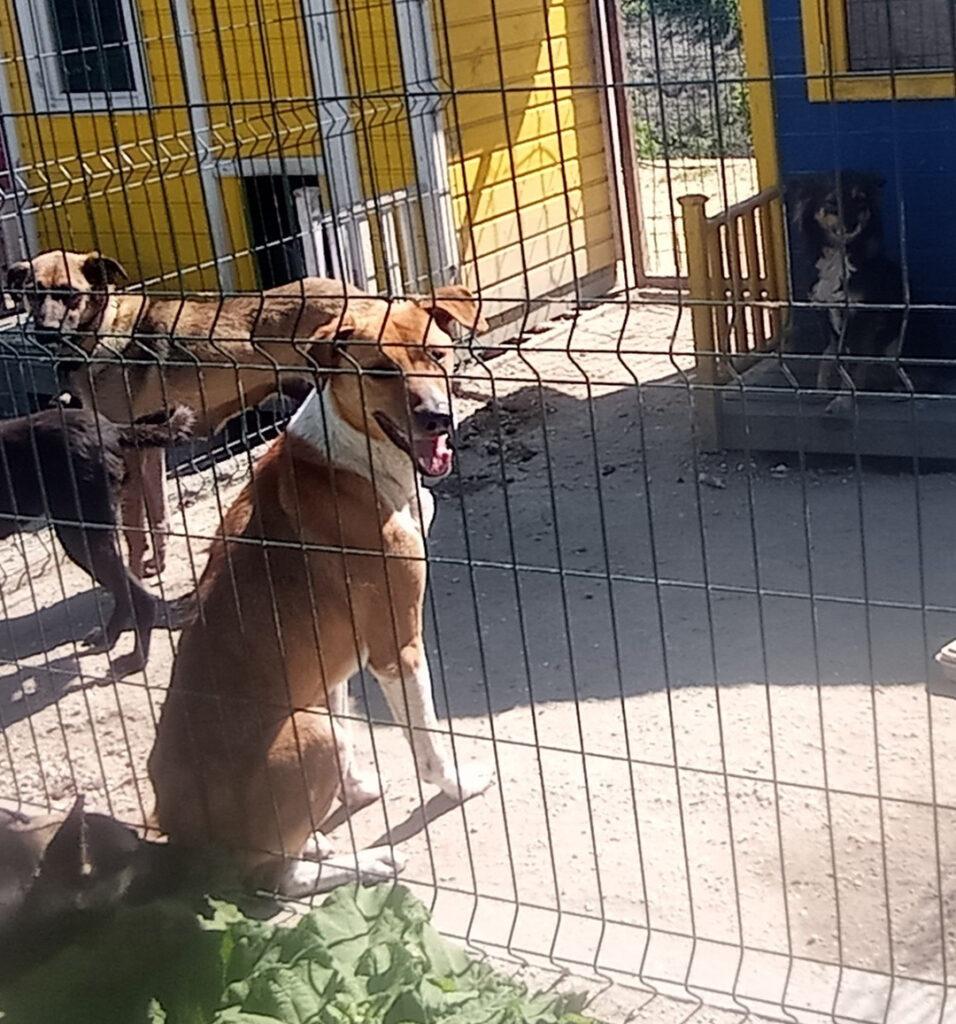
Meet Jack

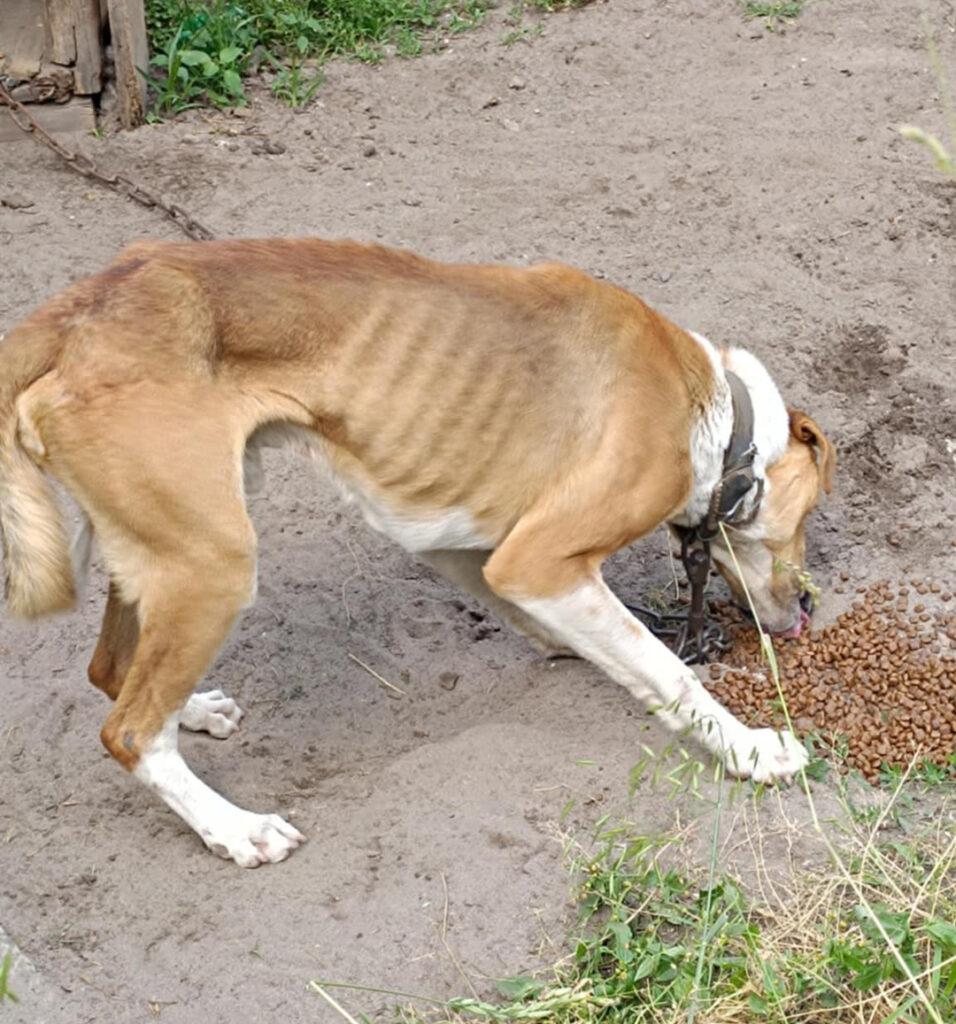
Poor Jack was seized from a garden in the village of Lagodov. Although the garden was beautifully planted, the residents neglected Jack and didn’t feed him – they were fined by the police, who brought him to the Step shelter, where Oksana and her team took care of him.

During his stay, he lived in one of Naturewatch Street’s comfortable doghouses with new friends while he recovered from malnourishment. When he was fit and well, Jack found a loving new family!

Four dogs are behind a wire fence in a sunny enclosure, which contains a colourful blue and yellow doghouse. The main focus is a large tan and white dog looking happy.

Jack enjoyed his stay on ‘Naturewatch Street’ at the Step shelter

A thin, brown and white dog with visible ribs is eating kibble from the ground, chained in a dirt yard. The scene conveys neglect and hunger.

Previously, poor Jack was hungry and malnourished

jack pic 3

Jack soon found a loving family and has a new ‘brother’!

We’re deeply grateful for the support from Naturewatch Foundation’s kind supporters – it brings us closer to giving every animal the safe, warm space they deserve. The doghouses don’t get flooded when it rains, and the dogs enjoy them in any weather, which is especially important in the freezing Ukrainian winters. Thank you so much.

Oksana Chorniy, Manager of the Step shelter in Brody, Ukraine


Want to know more about the Step shelter?

Read our interview with Oksana, featuring questions sent in by our supporters.

Getting back on the road in Kupyansk, Ukraine

Kupyansk-based Promin Myloserdia is a small but dedicated animal welfare group led by Victoria Kruchyna.

Our partnership began in 2020 through a spay-neuter programme. 

After Kupyansk was almost destroyed in 2025, Victoria relocated to Kharkiv, where she continues her work, evacuating animals from the frontline.

In 2024, Naturewatch Foundation and the Helen Woodward Animal Centre co-funded a secondhand rescue vehicle for Victoria and her small team of volunteers.

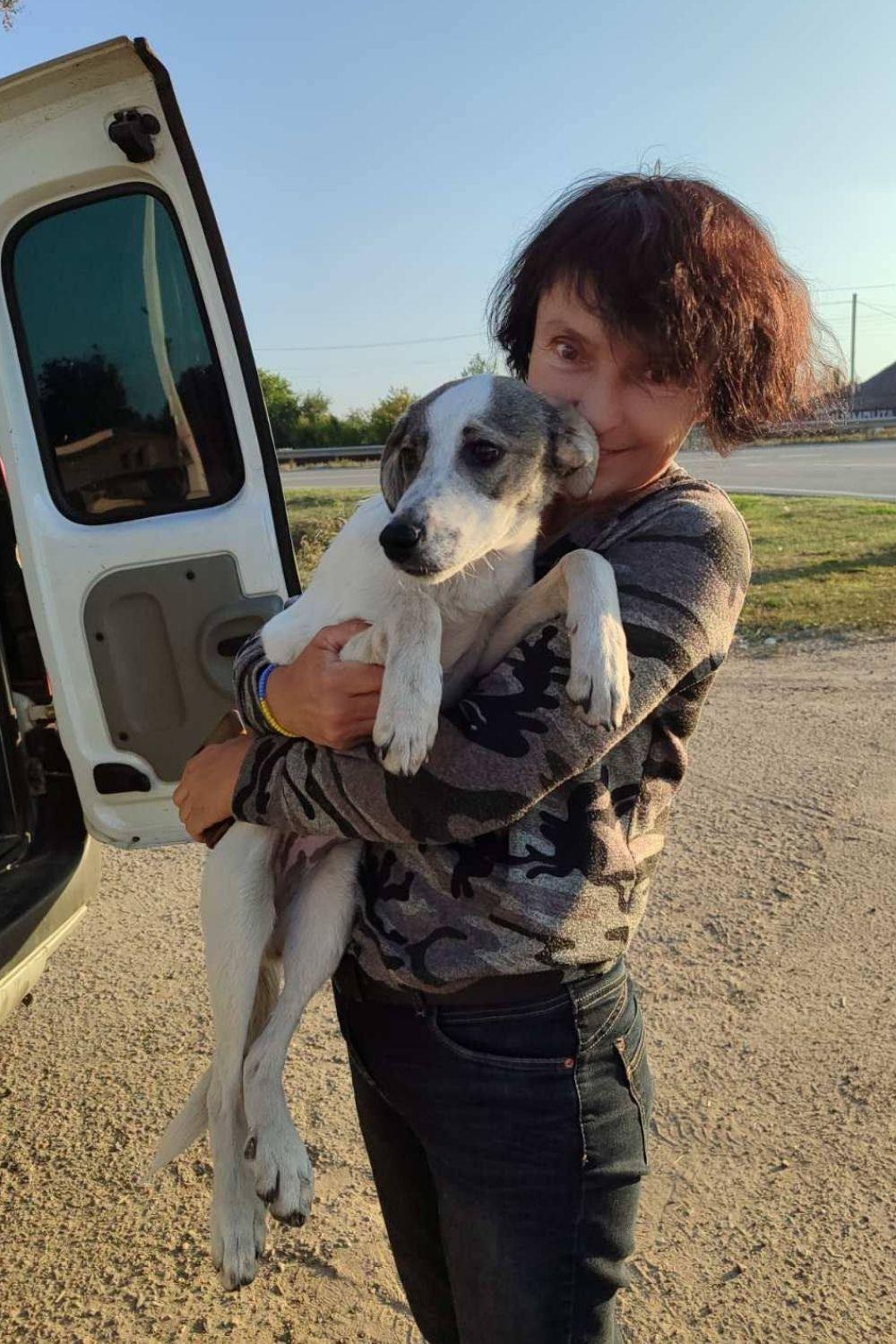
A smiling woman cuddles a brindle and white puppy next to the open rear door of a white van on a sunny day.

Previously, Victoria relied on costly local drivers (or carried injured animals herself), making rescues slow and dangerous. 

Now, her team can navigate damaged roads and transport animals safely to Kharkiv for urgent veterinary care.


The vehicle is used daily to:

  • Rescue and rehabilitate abandoned and injured animals
  • Deliver food and supplies to areas in crisis
  • Evacuate animals from frontline villages, often with help from military personnel

Our supporters have given Promin Myloserdia the freedom to respond faster, rescue more animals, and keep animal welfare in the region moving forward – despite the challenges of war.

Moldova

Promoting responsible pet care

In 2024, following a visit to Moldova, we launched a groundbreaking project that focuses on the registration and microchipping of dogs.

Our partner, Karl Luganov, is co-head of Humane Society Moldova, and a (voluntary) Chair of the Administrative Council of Bălți’s municipal animal shelter. 

Having signed an agreement with the city of Leova, he went door to door with a vet and a city worker, providing supplies and explaining the benefits of registering, microchipping, and sterilising pets.

Despite initial reluctance, people reconsidered, and 1,000 dogs in Leova were microchipped and registered in 2024.

The city authorities supported the project and plan to continue it by introducing mandatory spaying and neutering of residents’ dogs.

In 2025, we microchipped 800 dogs across three cities.

This initiative is a crucial first step in addressing the stray animal problem. 

The project aims to improve conditions for ‘owned’ dogs, especially in households where dogs are often either chained or allowed to roam freely without being sterilised.

Providing people with the resources to be responsible caregivers is an important part of our mission. 

We hope that other cities and villages will join the programme to maintain control over local animal populations.

We are pleased to cooperate with Naturewatch Foundation in supporting projects aimed at a humane and systematic solution to the problem of stray and domestic animals in Moldova. We are very grateful to their supporters."

Karl Luganov, Chair of the Administrative Council of Bălți’s municipal animal shelter​

Romania​

In Romania, we backed an ongoing project by Save the Dogs and Other Animals, helping fund a large shelter with equipment for collecting street dogs who needed treatment and sterilisation.

Save the Dogs has taken its work beyond Romania, stepping in to help animals in Ukraine since the war began. 

They’ve been rescuing dogs, delivering food and supplies, and making sure that many animals get neutered, microchipped, and vaccinated. 

We’re pleased to support them by funding equipment for their stray animal projects.

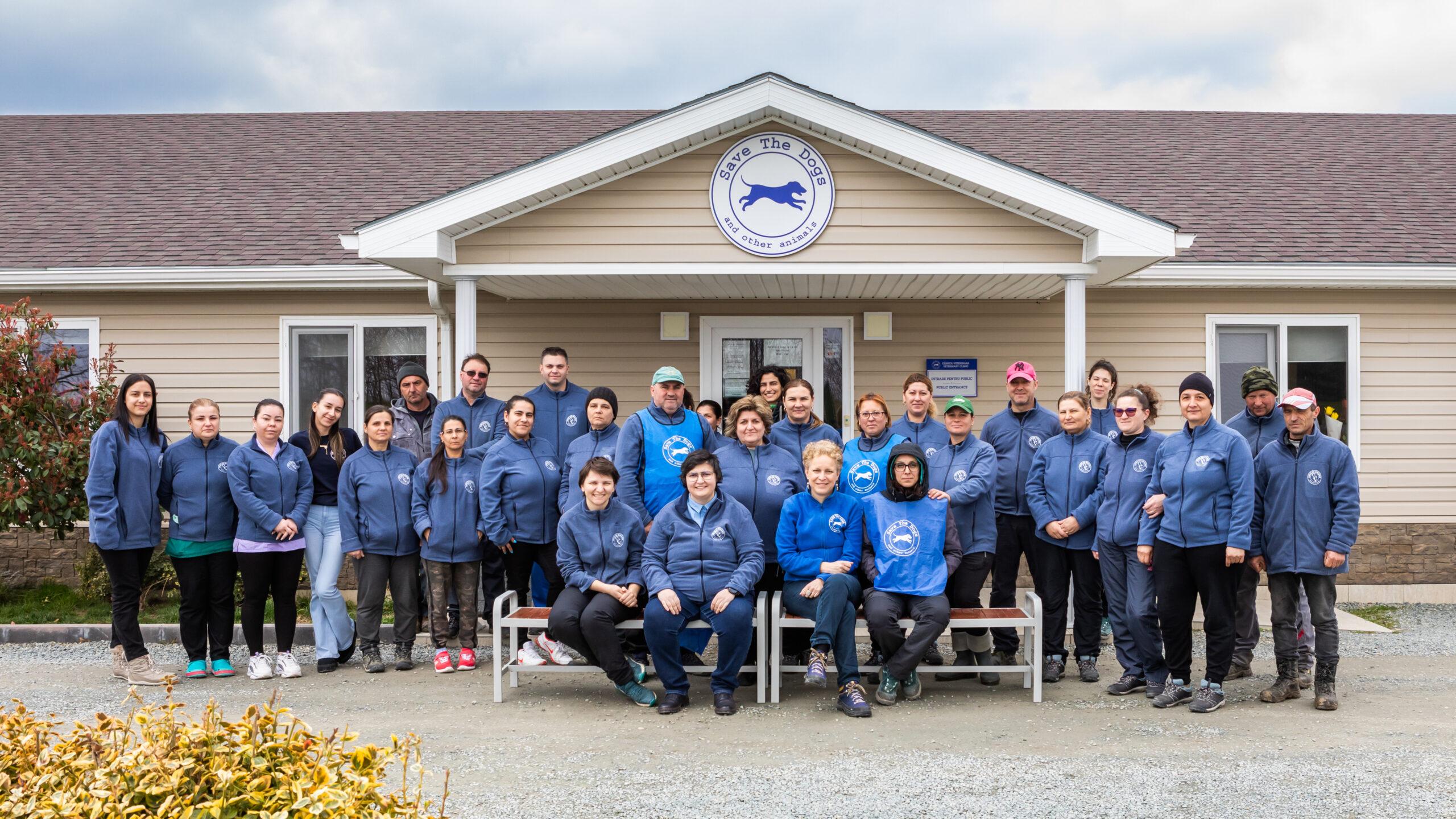
Team of Save the Dogs Romania scaled

What kind of catching equipment do shelters need?

We supplied hoop nets and the most humane catching poles available, allowing animals to be safely caught without direct contact. The nets, which can also be baited for easier capture, work for cats as well as dogs.

Chemical capture uses anaesthetic drugs to temporarily immobilise an animal for safe handling. The stretchers we provided make it more comfortable to transport animals who are unconscious or injured.
Protective gloves help catchers and shelter staff handle frightened animals who might bite. Veterinarians also rely on gloves like these when treating strays, as scared animals often nip or scratch and resist handling.

From prevention to education

Beyond our projects to support animal welfare organisations in Eastern Europe with the resources they need, our work focuses on:

– providing vital services to low-income pet owners, foster carers, and community animals, as well as to stray dogs and cats.

– equipping people with the knowledge to practice responsible pet ownership and promote compassion toward animals.

0
    0
    Your Cart
    Your cart is emptyReturn to Shop