15.04.26
Across Ukraine, animal shelters are under immense pressure due to war, displacement, and limited resources. Dogs are being rescued from dangerous areas every day – but keeping them safe inside shelters is becoming more difficult.
How you’ve helped so far
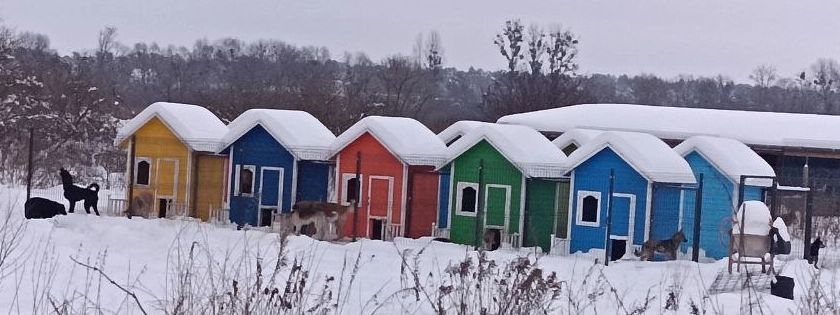
Vital improvements have already been made at the Step shelter in Brody. In 2025, generous supporters of Naturewatch Foundation made it possible to transform life at the centre. Dogs who had once endured cold, dilapidated kennels and makeshift sheds now have warm, secure homes of their own. Today, the most vulnerable residents – including those recovering from surgery, living with disabilities, or caring for newborn puppies – are safe and comfortable in insulated, weatherproof kennels on ‘Naturewatch Street’ (pictured below).
Yet even with these life-changing improvements, the shelter is still not equipped to handle every situation.
A preventable tragedy highlights an urgent need
In December 2025, the Step shelter faced a serious emergency when the local municipality called them to capture a dog suspected of having rabies. Without the proper equipment to safely handle a potentially infected animal, both the shelter team and the public were put in danger.
To prevent further risk, we provided manager Oksana Chorniy and her volunteers with a humane chemical capture device – specialist equipment that allows them to safely restrain dogs in hazardous situations. This not only protects the team and the wider community, but also ensures animals are handled with minimal stress and suffering.
However, the shelter still lacks a secure, dedicated space to isolate a potentially infected animal.
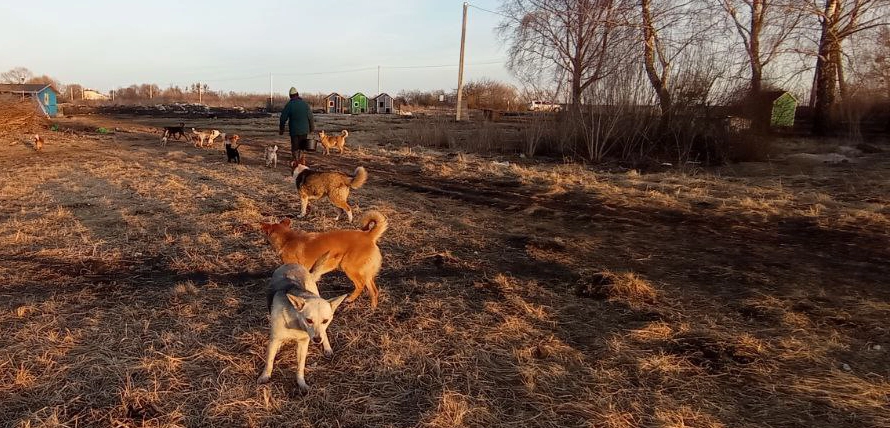
With no isolation unit available, the sick dog had to be kept in a vehicle, where he sadly died from the virus. It was heartbreaking – and preventable.
Future cases will continue to be referred to Step, which is why, in 2026, we want to help fund a small isolation unit to stop contagious diseases from spreading within the shelter.
The unit will consist of one or two small rooms with secure, sterilisable enclosures where up to six dogs can be housed. This simple but vital addition will help stop outbreaks before they start, keeping the shelter safe for animals in its care. Due to the cost, the municipality has committed to contributing towards the purchase, and Step will also support the effort through local fundraising initiatives.
Together, we can turn a preventable tragedy into lasting change – giving every dog at the Step shelter the protection, dignity, and second chance they deserve.
What can YOU do?
- Please donate or set up a direct debit to support our animal welfare work in the UK, Eastern Europe and around the world. Thank you.
- To find out more about the Step shelter, read our supporters’ interview with manager Oksana Chorniy.
- Join our mailing list for updates on our campaigns.
- Follow us on social media and share our posts! You can find us on Facebook, Instagram, Bluesky and Linkedin.
How serious is rabies?
Rabies is one of the world’s deadliest viruses. It’s transmitted through the saliva of infected, warm-blooded mammals like dogs, bats and foxes and affects the central nervous system. Transmission occurs when infected saliva enters the body via bites, scratches, or contact with broken skin and mucous membranes (eyes, nose, or mouth).
Once symptoms appear. the disease is usually fatal both in animals and humans.
How common is rabies in Ukraine?
- Ukraine has seen a sharp increase in rabies infections, with veterinarians reporting that cases more than doubled between 2022 and 20231, due to crucial vaccinations being paused when the war broke out.
- In the first half of 2025, a total of 6712 cases of rabies were reported in Ukraine, primarily among cats, dogs and foxes.
- In 2025, the World Health Organisation reported that they are seeing 5-103 people a day with bites in Ukraine.
1 Source: State Service of Ukraine for Food Safety and Consumer Protection
2 Source: State Service of Ukraine for Food Safety and Consumer Protection
3 Source: World Health Organisation