06.10.26
We must do better
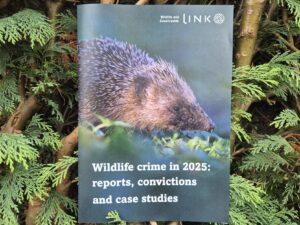
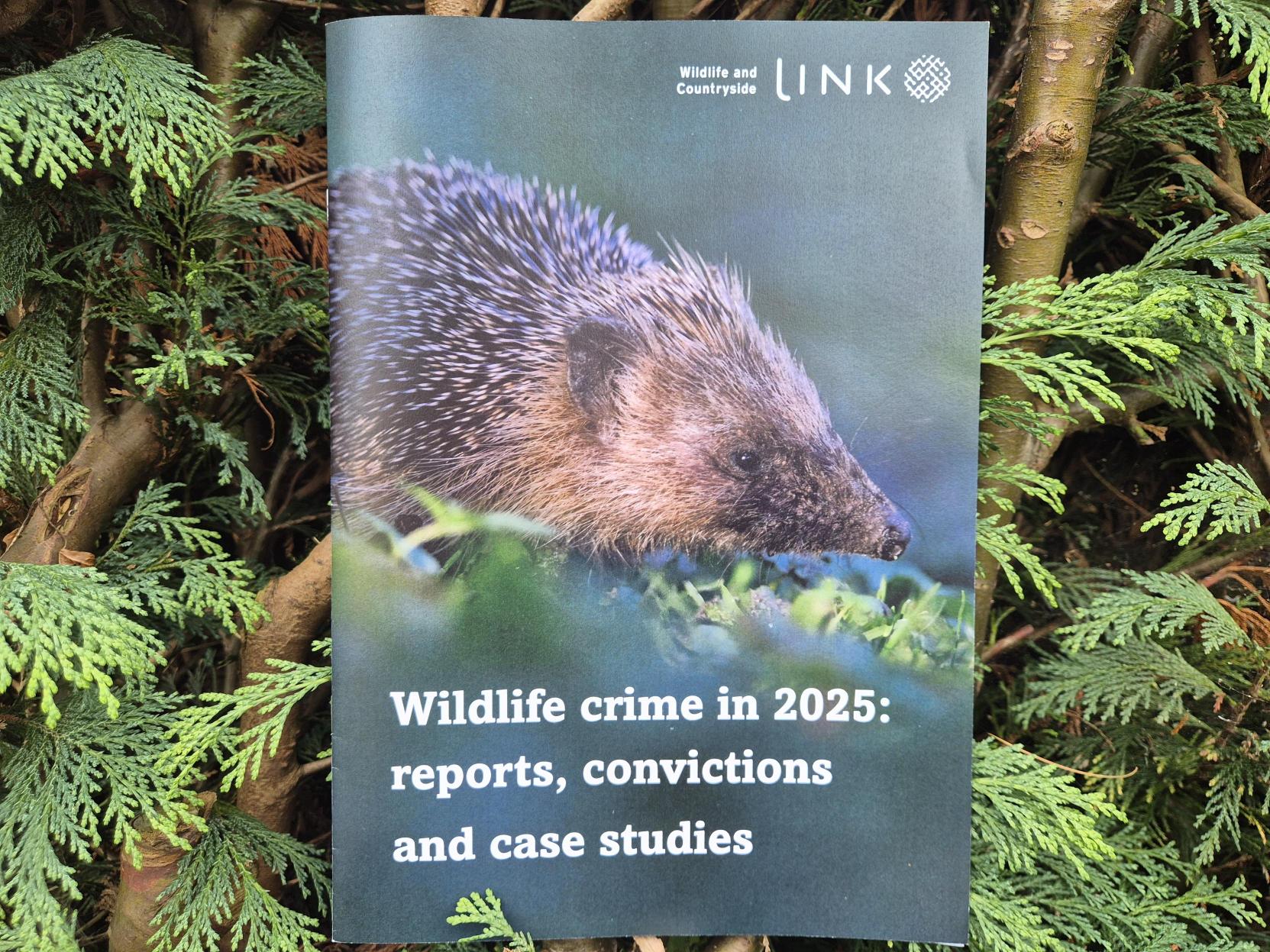
The latest Wildlife and Countryside Link Wildlife Crime Report has just been released, providing another important snapshot of the scale of wildlife crime across the UK.
The findings should concern everyone who cares about wildlife and the effectiveness of our criminal justice system.
The report records 2,149 reported incidents of suspected wildlife crime in 2025, but just forty-one convictions across the categories examined. That means less than 2% of reported wildlife crime incidents resulted in a conviction.
For me, this is deeply disappointing.
Behind every statistic is an animal, species or habitat affected by wildlife crime. The report highlights cases involving badgers, bats, birds of prey, marine mammals, illegal wildlife trade, and animal cruelty, as well as concerns around illegal trapping and the use of catapults and slingshots to injure wildlife.
A partial picture
We should not interpret the sparse number of convictions as meaning wildlife crime is a minor problem. In many respects, the opposite is true.
The report makes clear that the figures provide only a partial picture. Many wildlife crimes go undetected, unreported, or unrecorded, while important types of wildlife crime are not consistently captured within national crime statistics.
So, we must ask: how much wildlife crime are we simply not seeing?
The honest answer is that we do not know – and that is part of the problem.
The vital role of NGOs
The data contained within this report is extremely valuable. However, we also need to recognise the enormous amount of work undertaken by wildlife charities and NGOs to gather it.
Their staff, volunteers, investigators, and supporters are often on the ground identifying incidents, recording information, supporting investigations, and documenting cases.
This work is essential, but the responsibility for understanding wildlife crime should not rest largely with charities.
We need a system where wildlife crime is properly recorded nationally, consistently monitored, and appropriately prioritised by law enforcement.

Wildlife crime must become notifiable
The report, as we at Naturewatch Foundation have done for many years, calls for major wildlife crimes to become notifiable to the Home Office.
This would ensure that offences are systematically recorded within national crime statistics, giving us a much clearer understanding of where wildlife crime is happening, what types of offences are increasing and where resources are needed.
At present, we are attempting to understand a serious criminal problem while accepting that much of it is not consistently recorded.
If we do not properly record wildlife crime, how can we properly understand it? And if we do not understand it, how can we ensure that policing and other resources are directed where they are most needed?
Making wildlife crime notifiable is not the whole solution, but it is an essential step towards building a better system.
Catapults and wildlife crime
The report also highlights an issue we have been particularly concerned about the use of catapults and slingshots to harm wildlife.
The report highlights cases including a hedgehog in Newbury that died following a catapult attack and a Canada goose in Maidstone that suffered such serious injuries that it ultimately had to be euthanised.
These cases demonstrate the real-world consequences of catapult misuse.
Yet the true scale of this problem remains difficult to establish because catapult-related incidents are not consistently recorded as a specific category of crime.
Better recording is therefore essential if we are to understand the scale of the problem and develop effective responses.
A new role with Wildlife and Countryside Link
I am also pleased to announce that I have undertaken the role of Vice Chair of the Wildlife Crime Working Group for Wildlife and Countryside Link.
I am delighted to take on this responsibility and to work alongside the new Chair and members of the Working Group.
I look forward to helping steer the group in the right direction, with a clear focus on reducing wildlife crime, improving reporting and enforcement, strengthening policy, and ensuring wildlife receives the protection it deserves.
There is a great deal of work ahead.
We cannot accept the status quo
Less than 2% of reported wildlife crime incidents resulting in a conviction is not a situation we should simply accept.
The NGOs and charities gathering this information deserve recognition for the vital work they undertake. But we also need Government and law enforcement to take responsibility for creating a system that properly records wildlife crime and responds effectively.
We need better data, better enforcement, appropriate resources, and effective sentencing.
The Wildlife Countryside link Wildlife Crime Report 2025 provides important evidence of the challenges we face, they cannot be ignored.
Jim Clark,
Wildlife Crime Campaign Manager