New figures about the number of animal experiments carried out in Britain have been released and reveal a shocking 2.68 million procedures were carried out on living animals in Britain in 2023. Whilst this is a 3% reduction on 2022 and the lowest number since 2001, if Britain continues at this slow pace, it will be hundreds of years before we finally see the back of animal experiments. Animals simply cannot wait that long.
What do the statistics tell us?
The statistics paint a depressing picture of animal experimentation in Britain in 2023:
- Overall, 2,681,686 scientific procedures were carried out on living animals.
- A staggering 2,605,528 animals were used for the first time in scientific procedures. They include 8,933 rabbits, 2,392 beagles, 36 goats, 3,769 Guinea pigs and many thousands of others.
- Mice remain the most experimented on species, with 1,926,079 being used.
- 1,815 non-human primates were used for the first time in experiments.
- 305,000 regulatory tests were carried out on animals.
- 49,701 experimental procedures were severe, meaning they “caused a major departure from the animal’s usual state of health and well-being”. A majority of severe experiments were for regulatory purposes.
- The number of experiments carried out on specially protected species (cats, dogs, horses and non-human primates) increased, with a sharp increase in the number of procedures on horses (11,409). 2,169 experiments were carried out on primates, 3,749 experiments were carried out on dogs, and 63 experiments were carried out on cats. Additionally, 21 genetically altered dogs were created.
- After mice, zebrafish, rats and fowl, sheep continue to be one of the most experimented on species, with 62,272 experiments carried out in 2023, mainly for regulatory purposes including the production of blood-based products.
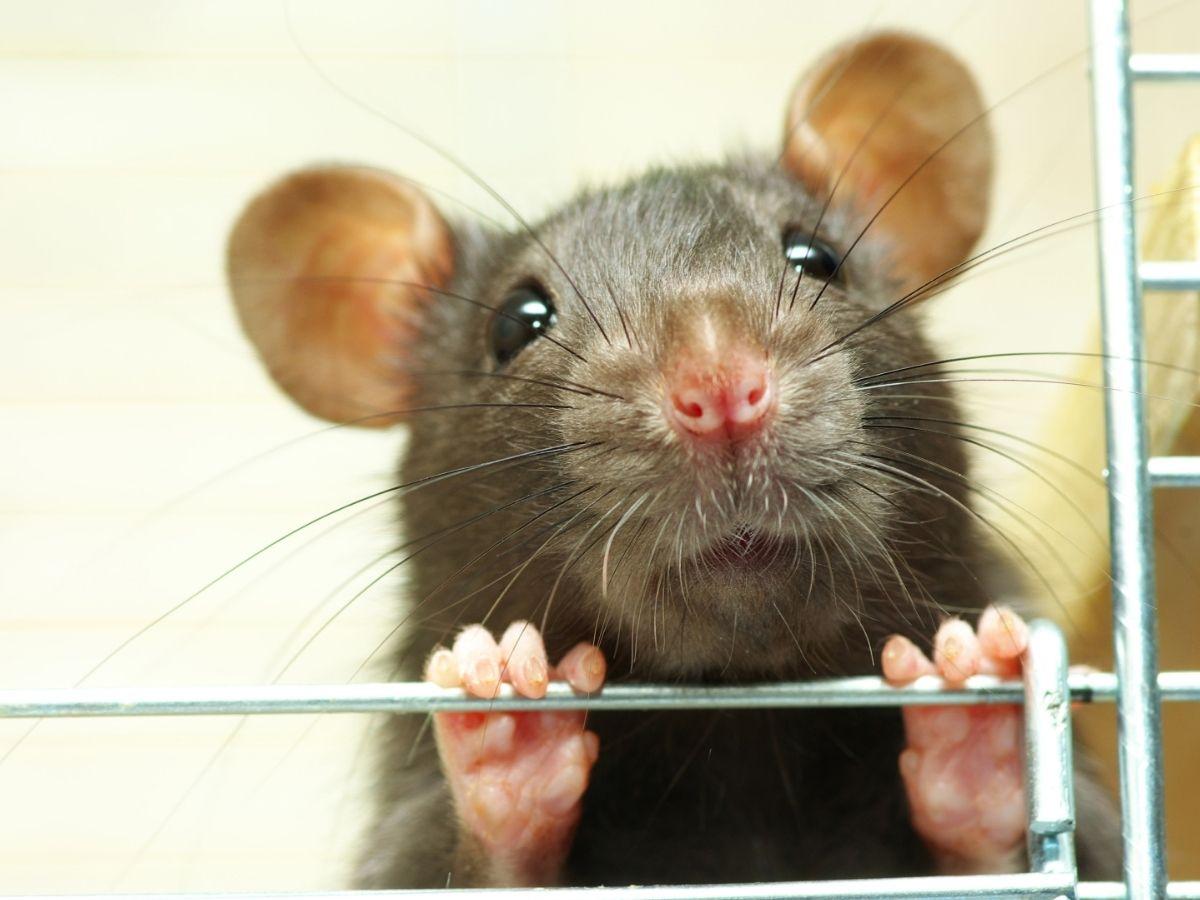
- 44,999 experiments were carried out to meet the requirements of industrial chemicals legislation, with rats the most commonly used species for these kinds of tests.
As animal-lovers like you know, behind all of these numbers is thinking, feeling animals who will have suffered pain, fear and distress.
Only half the story
One of the most concerning things is, this isn’t even the full picture. The statistics tell us how many experimental procedures were carried out on animals (1.47 million) and how many  procedures were carried out to create and breed genetically altered animals (1.21 million). But they don’t reveal how many animals were bred and not used in experiments. This information has only ever been released once; additional figures for 2017 showed that an astounding 1.81 million animals had been bred and had either died or been killed without being used in scientific procedures in Britain in that year alone. This suggests the true number of animals being used in science in Britain each year is even higher. The Home Office must start publishing these figures each year, too.
Is change coming?
During the general election campaign, the Labour party made a promise to “partner with scientists, industry, and civil society as we work towards the phasing out of animal testing.” The Mirror also reported that Labour would publish a roadmap to end the use of animals in testing for products and establish a board of experts to plan phasing out the use of dogs, minipigs and rabbits in research. With Labour forming the new government, we expect them to keep these promises and will hold them to account. Animals in laboratories have been suffering for too long.
How you can help
As these new figures show, thousands of experiments are carried out on animals each year in Britain to test chemicals. These substances could end up in the everyday products you use at home and you’d have no way of knowing. If you agree that’s wrong, join our calls for the UK Government to strengthen the household product testing ban, which currently contains loopholes that still permit the testing of chemical ingredients that go into everyday products.
You can also support our Paint With Kindness campaign by writing to paint and decorating brands to ask them to join our Compassionate Shopping Guide of cruelty-free products. Use our handy template to get started.
Thank you for your support. Together, we can #EndAnimalTesting.
For more information on our Animal Experiments work please visit naturewatch.org.