10.08.26
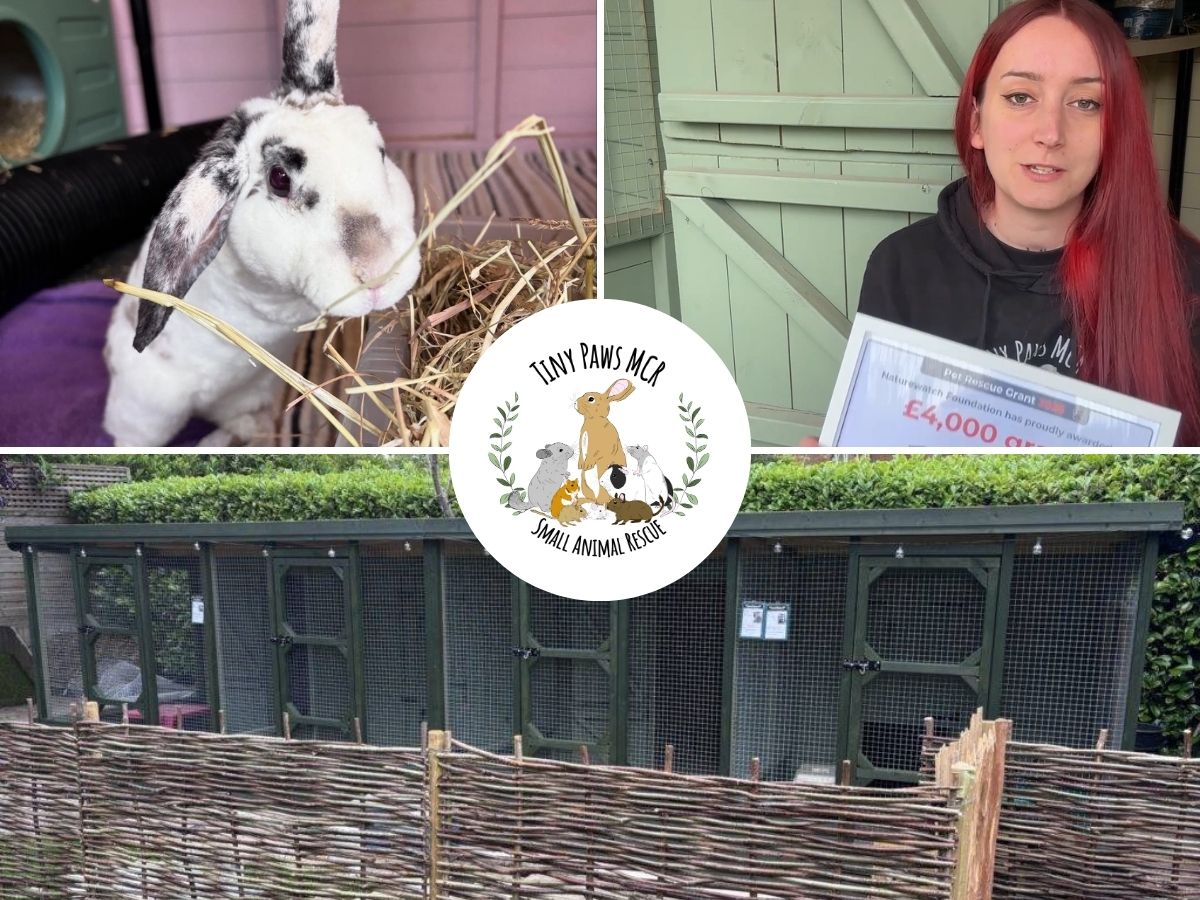
Earlier this year, we announced Tiny Paws MCR (and One Wish Dog Foundation and The Neuter Project) as the recipients of our Pet Rescue Grant 2026.
We sat down with Suzy, Founder of Tiny Paws MCR to learn more about their charity and good rabbit welfare.
What are your top tips for caring for rabbits well?
When caring for rabbits (or any animal), the best place to start is by considering the five welfare needs set out under the Animal Welfare Act 2006 and how, specifically, we should apply these to rabbits:
- Environment – Rabbits need permanent, 24/7 access to at least 3m x 2m of space with a minimum height of 1m. If outdoors, this needs to be predator-proof and provide sufficient shelter from the elements – a good option is a shed with a predator-proof aviary attached, situated on slabs or concrete. If indoors, the space needs to be bunny-proofed, meaning no access to chew on wires, toxic house plants, your expensive curtains, etc!
- Diet – Hay, hay and more hay! 85% of a rabbit’s diet should be made up of hay. The rest should ideally be wild green plants, or supermarket herbs are a close alternative. If you feed pellets, these should form a very small part of the diet to fill in any nutritional gaps and should never be the main food source. A hay- (and grass-) based diet promotes dental and digestive health, and getting this right will reduce the chances of your bunnies experiencing many common health problems requiring costly treatment.
- Behaviour – Rabbits need space and opportunities to express natural behaviours, including grazing, foraging, running, binkying, chewing and digging. This is particularly important to consider if you keep your rabbits indoors – provide them with a dig box and safe natural items to chew on so they have suitable outlets for these behaviours instead of destroying your carpets!
- Companionship – Rabbits are social animals and must have the company of at least one suitable rabbit companion. Humans, guinea pigs, cats or any other animal are not suitable replacement company as they do not speak rabbit! All rabbits must be neutered and vaccinated before attempting a bond, and it can sometimes take a few attempts to find the right match of personalities. If you have a single rabbit, adopting from a rescue who can assist with bonding (or provide guidance) is the best way to go about finding them a friend. If it doesn’t work out, a reputable rescue (like ourselves) will always take the adopted rabbit back and help you find a better match so you don’t end up with two single bunnies each needing a new pal!
- Health – Unfortunately, rabbits can be prone to a few health issues, in many cases due to breeding for appearance such as flat faces and lop ears. Rabbits are considered ‘exotic’ animals in the veterinary world and it is really important that all rabbit carers have access to an exotic or rabbit-savvy vet who has completed additional training to give them the knowledge needed to treat bunnies. A good place to start is the Rabbit Welfare Association & Fund’s Recommended Rabbit-Friendly Vets list, or ask a local rabbit rescue for recommendations. Rabbits must be vaccinated annually against myxomatosis, RVHD1 and RVHD2, which is given in one vaccine. There is also unfortunately now a new variant of RVHD2 which also requires an additional separate vaccine. These diseases are deadly in most cases and the only prevention is vaccination! As veterinary care can be expensive, we strongly recommend all rabbit carers insure their rabbits. There are many options out there, so take care to do some research into the different levels of cover available.
It’s also really important to always keep learning and be open to change – knowledge and guidelines often evolve over time so what was considered great care ten years ago may now not actually be appropriate. Following reputable rescues and animal welfare organisations on social media is a great way of keeping up to date. You can find us at @tinypawsmcr on socials and www.tinypawsmcr.org.uk for more tips and advice.
What are some common misconceptions about keeping small animals as companions?
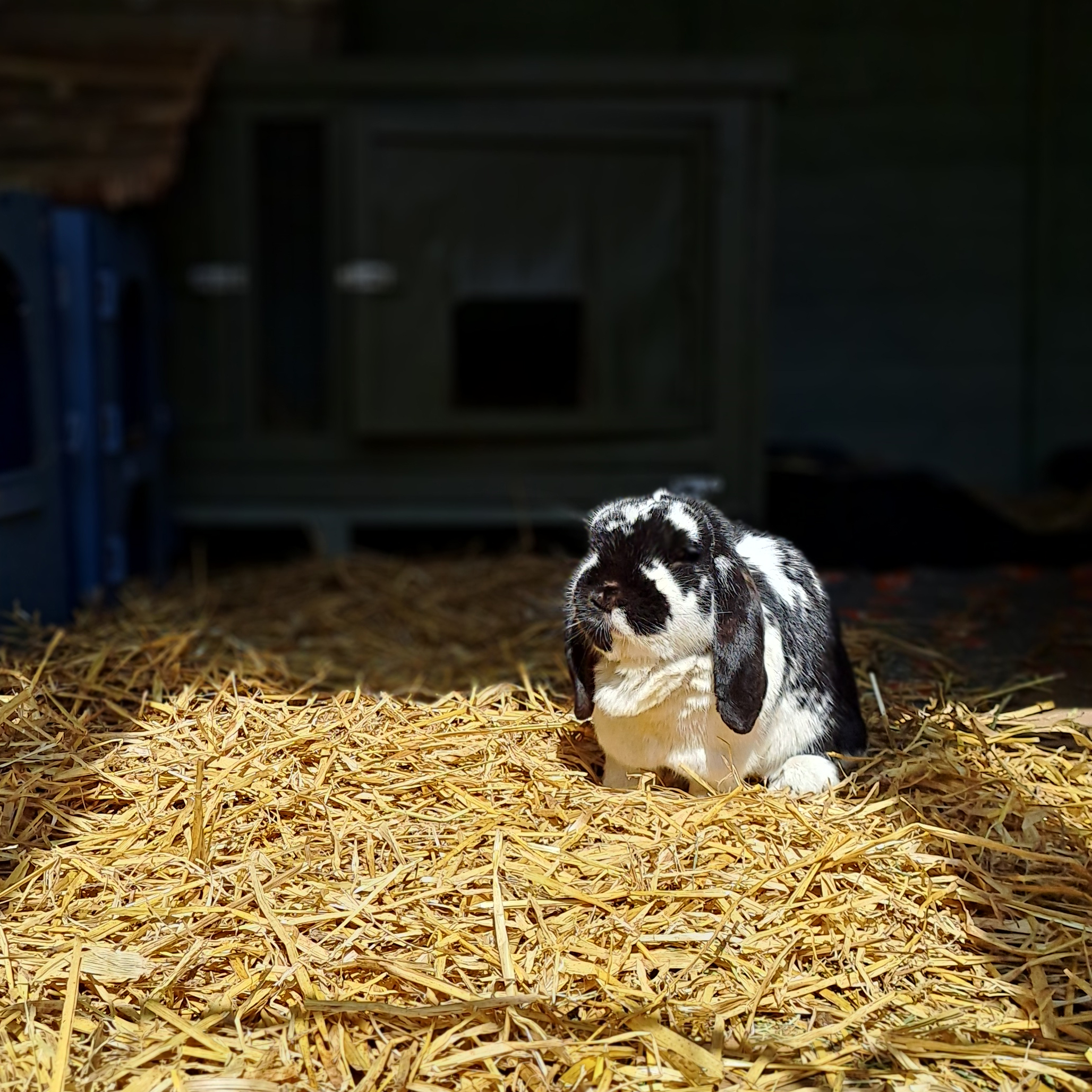
The main misconception is that small = small commitment. Small animals have long been promoted as easy ‘pets’ and this couldn’t be further from the truth. Because anyone can just walk into a pet shop and purchase a small animal for £10-50 with no or very few questions asked, this gives them a low value in the purchaser’s mind and, as a result, this impacts on their willingness to spend time, effort and money on providing the correct care. When the care becomes too much, the animals are seen as disposable and rescues are expected to quickly pick up the pieces.
The other issue we see is that parallel to this, small animals are often thought of as ‘starter pets’ for children. Rabbits and rodents are prey animals, so most find handling very stressful and do not live up to the expectation of happily being cuddled and played with by young children. We also see a lot of hamsters purchased for children without a thought for the fact that they are nocturnal animals and will only be active whilst the child is asleep. Children quickly lose interest and unfortunately in many cases parents haven’t considered that they will be left to clean out and feed the animal, so they then reach out to us.
How much does it typically cost you to rescue a rabbit and what are your annual vet bills?
Most rabbits we take in aren’t neutered or vaccinated, so this is basic veterinary care we need to cover before adoption. On average this costs us £331.50 per rabbit, so it isn’t cheap!
Our annual vet bills are around £17,000 – often one unwell animal can cost us thousands for investigations and treatment. This often surprises people when they consider that we are caring for smaller animals, who most people expect to be easy and cheap. Unfortunately, this isn’t the case. We work with a wonderful exotic vet practice that kindly gives us a charity discount, but it is still our biggest outgoing cost.
What one change do you think would improve the lives of UK rabbits the most?
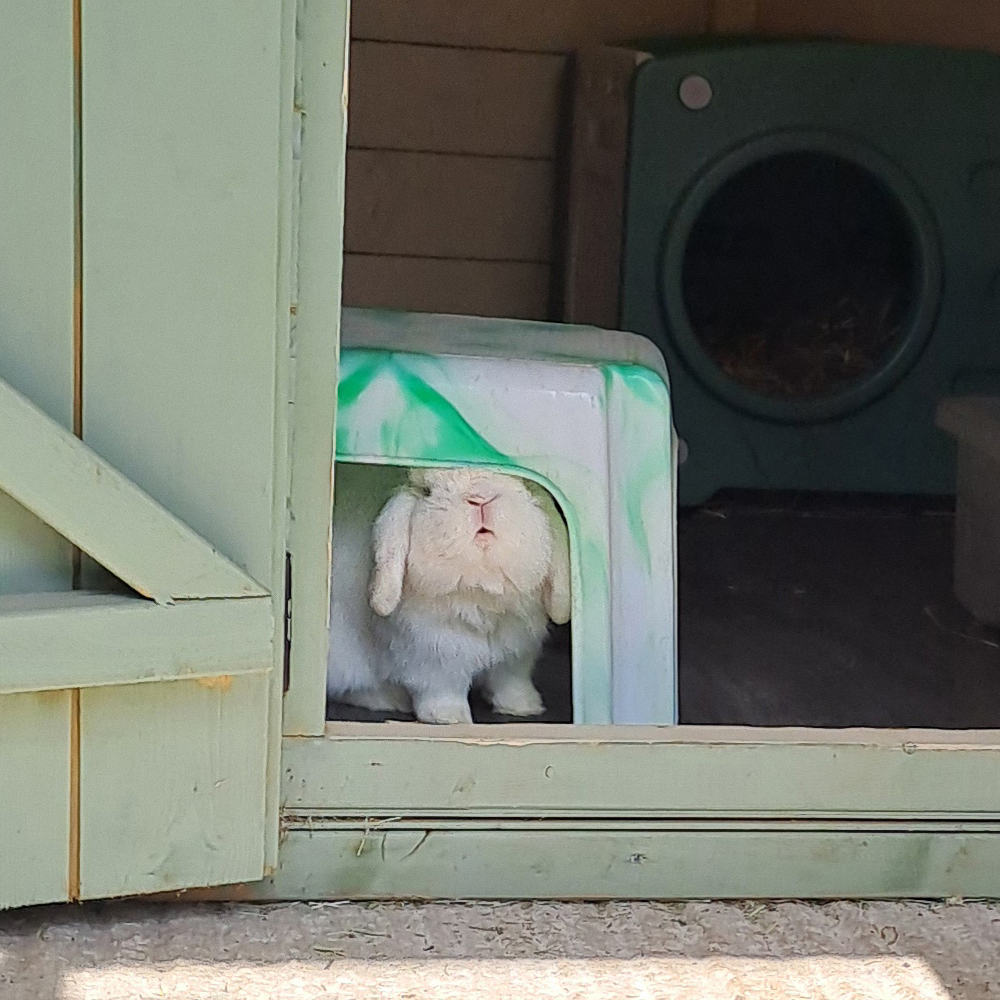
We collect data on the origin of the animals we’re asked to take in and we see the same sources listed repeatedly, so stopping the sale of rabbits in pet shops, like the UK has done for dogs and cats, would be at the top of our list. We would love to see an end to breeding rabbits as ‘pets’ all together, but reducing impulse purchases by stopping pet shop sales would make a huge impact, so this is something we would definitely support.
Can you tell us about one of your most rewarding rescues?
There are so many, especially when it comes to rabbits! A recent one we’re really proud of is Diamond. She came from a home where she had been housed alone in a tiny, dirty hutch and, of course, was not neutered or vaccinated.
She quickly settled in with us and after initially seeming quite timid, soon started to enjoy being able to freely stretch her legs in one of our full-sized enclosures, which meet minimum welfare standards. She thrived on a hay-based diet and became a much calmer, happier rabbit after being neutered.
We were so pleased when the perfect adopter came along, whose existing rescue rabbit, Primrose, had sadly recently lost her bonded partner. We bonded Diamond with Primrose over the course of a week, and it was lovely to see them both find comfort in each other. They returned home together to Primrose’s amazing outdoor enclosure, which her human had taken great care to make spacious, sheltered and predator-proof.
We’ve received lots of lovely updates from Diamond’s adopter, including videos of her binkying around her new home and snuggling up with her new big sister, Primrose. This kind of happy ending is what it’s all about – Diamond’s life now couldn’t be more different from the conditions she came from. She is one lucky rabbit!
What inspired you to set up Tiny Paws MCR?
I have always wanted to help animals – I even had an imaginary animal rescue as a child! Adopting my own rescue animals and having friends in the rescue world, together with an academic background in animal-related sciences, gave me the knowledge, experience and support to feel confident that this was something I could do well.
The focus on rabbits and rodents came from myself and co-founder (and trustee) Nicola observing that there was a lack of small animal-focussed rescues in the area, together with our own expertise and the practicalities of the species we could realistically help without a huge amount of land.
What is your main goal for the future of Tiny Paws MCR and how can people help you achieve it?
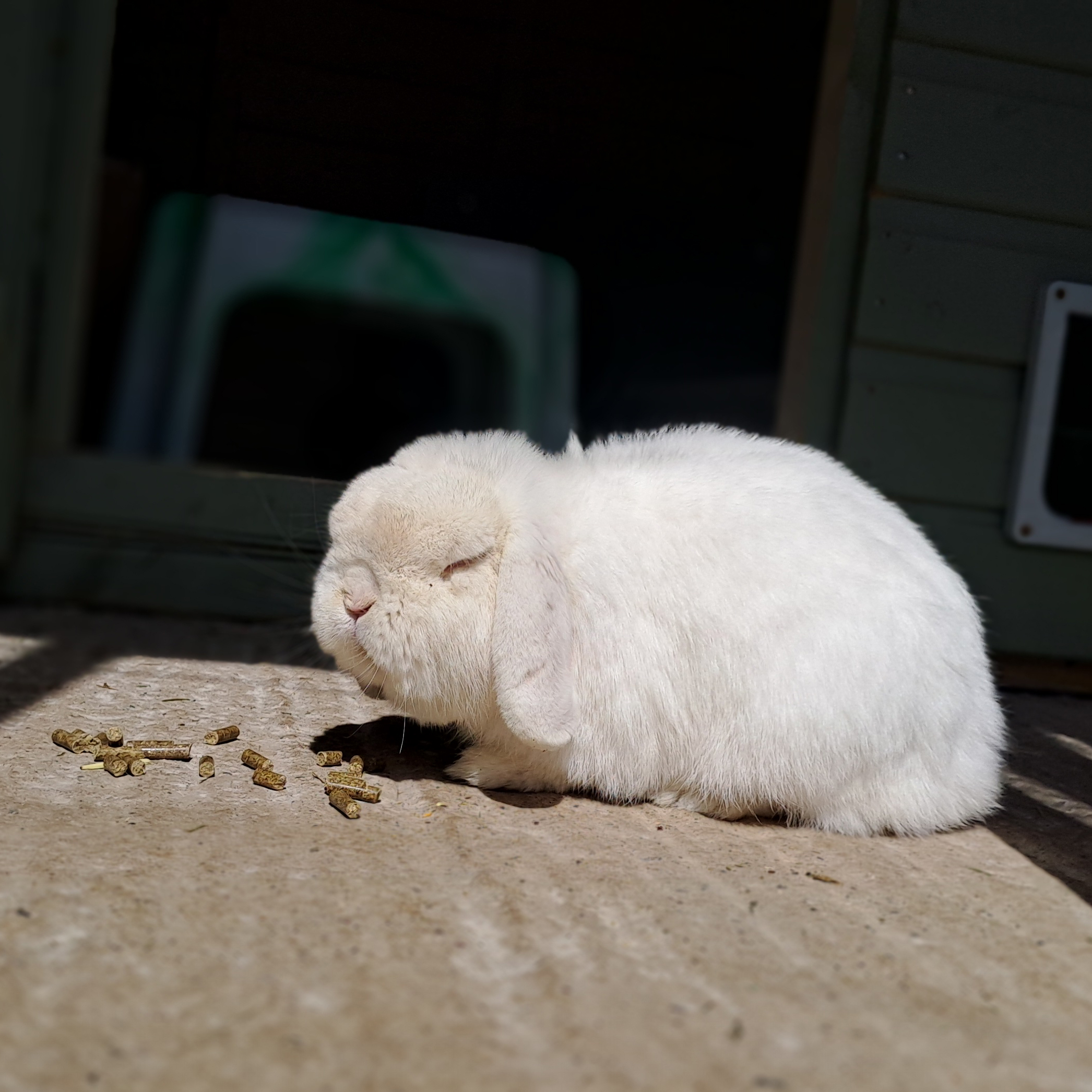
We want to change the lives of more rodents and rabbits in need! Our waiting list is constantly full, so we’re always striving to help more when we can. But, of course, we can only say “yes” to animals we have space, funds and the time to care for, whilst still meeting our high standards of care.
There are many ways to help us:
- Donate – towards vet bills, food, bedding and other running costs
- Volunteer – by helping clean enclosures, at fundraising events or assist with transporting animals
- Foster – in particular, we are looking for rabbit foster carers
- Adopt – The more animals we find suitable homes for, the more animals in need we can take in. Adopting saves more than one life!
- Share our posts on social media – especially animals looking for homes.
If someone you know is thinking of taking on rabbits or rodents, kindly direct them to our website for advice so that they make the right choice based on careful research.
Our sincere thanks to Suzy for taking the time to answer our questions and share her expertise. We truly appreciate the incredible work Tiny Paws MCR does for rabbits in need.
Find out more
Discover more about the Pet Rescue Grant here.