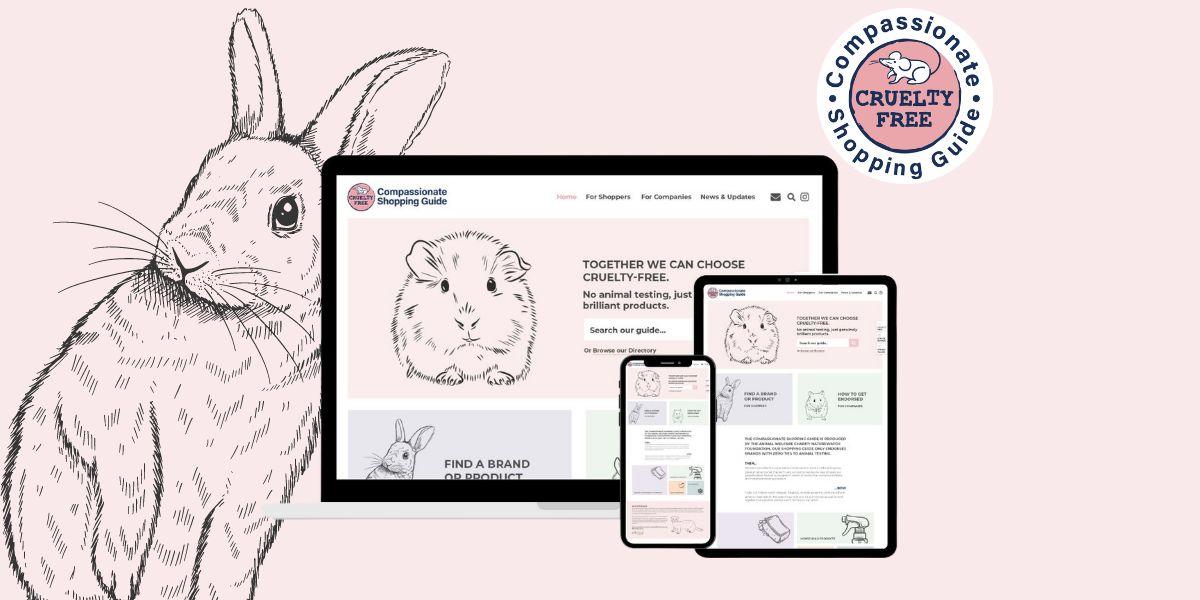
Our brand new Compassionate Shopping Guide website is live!
The new site has:
- An easy-to-use directory of cruelty-free personal care and household brands;
- Lots of great content about ethical living;
- A fab new look!
With over 200 brands endorsed, visit the Guide to find out more
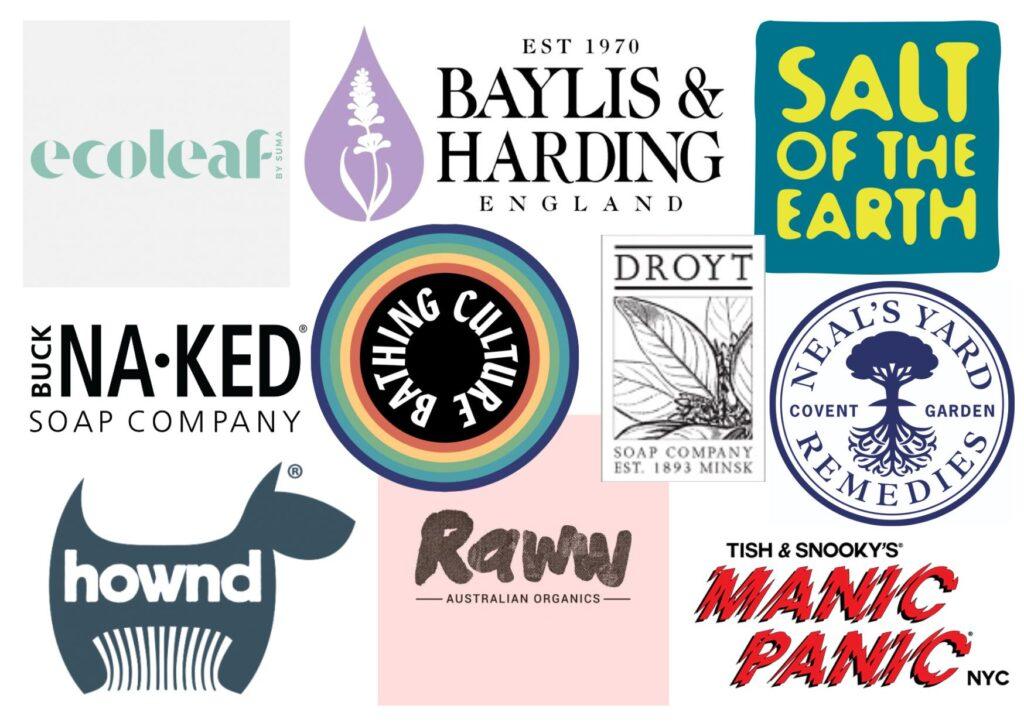
There’re over 200 fantastic brands in our guide and they all have zero ties to animal testing. We know that because we don’t just check their cruelty-free credentials – we also make sure any parent or sister companies don’t do any animal testing, either. This makes our criteria one of the strongest around and Ethical Consumer ranked our guide joint first in their comparison of cruelty-free endorsement schemes. Many of our endorsed brands also offer vegan, eco or organic options, too.
Why is the Compassionate Shopping Guide important?
We’ve been helping ethical shoppers live their values and find cruelty-free personal care and household brands for over 30 years. In 2024, you’d be forgiven for thinking animal testing is a thing of the past and that guides like ours are no longer needed. After all, cruel and archaic methods like force-feeding mice with chemicals or rubbing harmful substances onto the skin of rabbits sounds like something from Victorian times.
But, shockingly, ingredients that go into everyday products are still tested on animals today.
What kinds of things are tested on animals?
Chemical substances that make their way into everyday products can still be tested on animals for regulatory purposes. Testing ingredients used exclusively* in cosmetic products is banned in the UK, but ingredients that are used in other product types can still be tested if there’s a regulatory requirement and there’re no alternatives.
*Ingredients that are used in cosmetics and other product types could still be tested on animals.
What sorts of tests are carried out?
Tests are carried out on animals to see if substances will cause irritation or damage to skin and eyes. They’re also tested to see if they’re carcinogenic (could cause cancer), will affect reproductive function and offspring, or will have an adverse effect on the environment.
Skin and eye irritation tests involve substances being applied to the bare skin or eye of an animal – usually a rabbit – to check for irritation or corrosion. During the tests, these highly sociable animals are kept on their own, further adding to their misery. In the case of eye irritation tests, serious eye damage, including lesions and perforation, can occur.
In certain carcinogenicity tests, mice are dosed with a test substance every day for as long as two years. If they survive that long, they’re killed at the end and autopsied.
In reproductive tests, substances are administered daily to rodents or rabbits shortly after they’ve been mated. They’re then killed a day before they’re due to give birth, before their body and any foetuses are then examined.
It’s because of these horrifying tests that we want everyone to choose cruelty-free.
How can I avoid products that have been tested on animals?
By far the easiest way to avoid products that contain substances that have been tested on animals is to use our Compassionate Shopping Guide to find your personal care and household products.