26/06/25
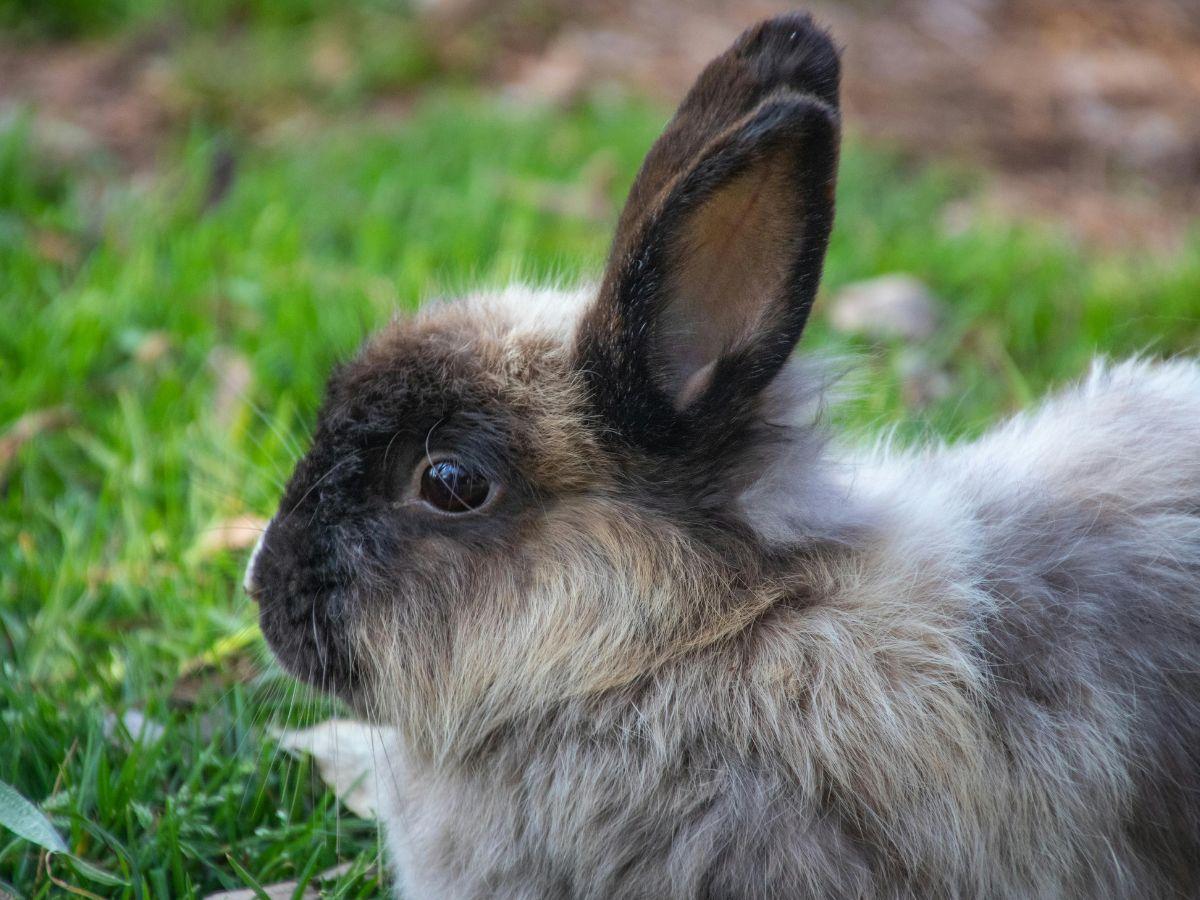
Rabbits are the third most popular pet in the UK, and yet they are often misunderstood, which can impact their welfare.
These beautiful animals are intelligent, social creatures that require much more than a hutch and a handful of carrots each day to thrive. Sadly, many rabbits are still kept in unsuitable conditions, lacking the space, companionship, and enrichment they need for a happy, healthy life.
It’s Rabbit Awareness Week this week, which we feel is the perfect opportunity to shine a light on how we can meet the needs of our long-eared friends. Remember we can only do better when we know better, and it is never too late to improve the lives of your rabbits!
Housing
Hutches, although long associated with keeping rabbits, do not meet their needs, due to how much exercise rabbits need. Wild rabbits, although now distant cousins to domesticated rabbits, can travel several miles each day, and occupy territories that cover up to 10 acres of land.
Domesticated rabbits continue to have high energy levels and a traditional hutch does not offer them the space that they need to run, jump, and sometimes even to stand up on their hind legs.
It is recommended that, instead, rabbits are provided with a home that is:
- A minimum of 3m x 2m x 1m high. However, the bigger their home, the better.
- Predator-proofed, both overhead and underground, to prevent wildlife from finding access.
- Well-ventilated and insulated, to ensure that the bunnies have fresh air and sustainable temperatures so that they do not get too cold or overheat.
If you have space to allow your rabbits to free roam, remember to keep a close eye on them to keep them from harm, and from escaping – rabbits are very effective diggers, and can be hard to catch!
Feeding
As selective feeders, rabbits who have pellets available at all times might not choose to eat as much hay. However, hay should make up the majority of a rabbit’s diet. Selective feeding can also lead to obesity, which in turn can lead to complicated health problems and a low quality of life.
It is therefore important to:
- Provide an unlimited source of fresh hay, which should be provided twice a day, with any soiled hay removed.
- Feed around just 15g of pellets per 1kg of your rabbit’s weight. A healthy rabbit weighing 2.5kg would therefore be fed 45g of pellets each day.
- Rotate a variety of green vegetables and herbs to promote good gut health. Some great options include basil, beetroot greens, mint, kale, parsley and rocket. The Rabbit Welfare Association provides a much more extensive list here.
Companionship
Rabbits are social creatures, evolved to live in groups and require companionship to be happy and fulfilled. Never keep just one!
It is also vital to be sure of the sexes of your rabbits, to avoid any unwanted litters. Mixed sex pairs often get along the best, but there is already an existing crisis in the rabbit rehoming world due to the number of rabbits awaiting homes, so to avoid adding to it, be sure to:
- Ask for professional help with sexing your rabbit. If this has not been done when you first get your rabbits, or if you want to be sure, a vet or vet nurse would be able to help you!
- If not already done, neuter both rabbits! Male rabbits can remain fertile for up to 6 weeks after neutering, so it is vital to keep them apart during this time, unless you have had any female rabbits neutered at the same time.
Introducing new rabbits can be a nerve-wracking experience, especially when you are keen for it to be love at first sight.
Thankfully, the brilliant Rabbit Welfare Association have a guide for bonding new rabbits, which you can visit here. Some rabbit rescues also offer a bonding service.
Illness
Illness and disease can take hold of a rabbit quickly, and so getting to know their normal behaviours and monitoring your rabbits every day is paramount to recognising the signs quickly.
- If your rabbit ever stops eating, or loses their appetite, this is considered a medical emergency. Gut stasis, where gut motility reduces or halts, can happen quickly and can be life-threatening to rabbits. If your rabbit is off their food, get them to the vets!
- Keep a close eye on their hind quarters in the summer months, and check that they are grooming themselves properly. Good husbandry should mean that there is no build-up of faeces in their home, which means less flies. However, fly strike can happen quickly, so it is important to check your rabbits bottom every single day, particularly during the summer. If you notice any sticky droppings, this suggests your rabbit is not fully healthy and they need a vet visit!
We would recommend always having a means to pay for veterinary treatment available, such as via rabbit insurance, as even a healthy rabbit can go downhill fast if they come into contact with illness.
Caring for rabbits is a big responsibility, but it is also a privilege. These wonderful animals can bring people a lot of joy when cared for correctly, and can be great companions.
There are thousands of deserving rabbits looking for homes across the country and due to this, we would never recommend buying a rabbit from a pet shop or breeder. Rescue centres often neuter, worm and pair rabbits before finding them a new home, too, which removes a lot of pressure from you!
Share this blog with anyone who already has a rabbit, and that might be interested in finding out more, or anyone looking to get one.
To find out more about rabbits, and their care, visit Rabbit Awareness Association and Fund’s website. If you love rabbits as much as we do, you might also want to pay a visit to the National Rabbit Festival!